Turning Waste Heat Into a Strategic Asset
Waste heat does not have to be wasted. In many plants and large buildings, it can become one of the easiest places to find real energy savings, better comfort, and more reliable equipment performance.
Late summer is a perfect time to think about it. Cooling systems are working hard, production is often at a peak, and the heating season is right around the corner. At the same time, hot water is going down the drain, condenser water is leaving the building still warm, and process lines are dumping heat into cooling towers. All of that energy could be doing useful work somewhere else in your facility.
With modern industrial heat exchangers, especially plate-and-frame designs, we can pick up that waste heat and move it where it is needed, without mixing fluids or risking contamination. Done right, this can help:
- Lower utility use
- Keep process temperatures more stable
- Support ESG and sustainability goals
- Reduce stress on boilers, chillers, and other equipment
In this article, we will walk through where waste heat hides, how industrial heat exchangers help, and what it takes to turn a good idea into a reliable, engineered system.
Where Waste Heat Is Hiding in Your Plant
Most facilities already own a lot of heat, it just happens to be in the wrong place at the wrong time. Common waste heat sources include:
- Boiler and steam condensate loops
- Chiller condenser water and cooling tower returns
- Compressed air aftercoolers and dryers
- High-temperature process streams and wash systems
As summer stretches into early fall, many buildings still have high cooling loads in the afternoon, while some heating loads start to appear in the morning or in certain areas. That seasonal overlap is where waste heat recovery can really shine. You may be cooling one part of the plant while heating another, with no connection between the two.
A simple way to size up your waste heat potential is to look at:
- Temperature differences between hot and cold streams
- Flow rates in the lines you are cooling or dumping to drain
- Hours of operation for those systems
- Current approach temperatures in your heat exchangers or coils
A few red flags that suggest strong recovery opportunity:
- Cooling equipment that rarely runs at full load but still uses a lot of energy
- Hot process or wash water going straight to drain
- Systems where you cool water or air just to reheat it later
The goal is to match heat sources with nearby heat sinks. Good heat sinks often include:
- Domestic hot water
- Makeup water for boilers or process tanks
- Low-temperature process wash systems
- Space heating loops or air handling units
- Regeneration and preheat stages in process lines
Once those pairs are mapped, industrial heat exchangers become the bridge that safely moves energy from point A to point B.
How Industrial Heat Exchangers Unlock Waste Heat Value
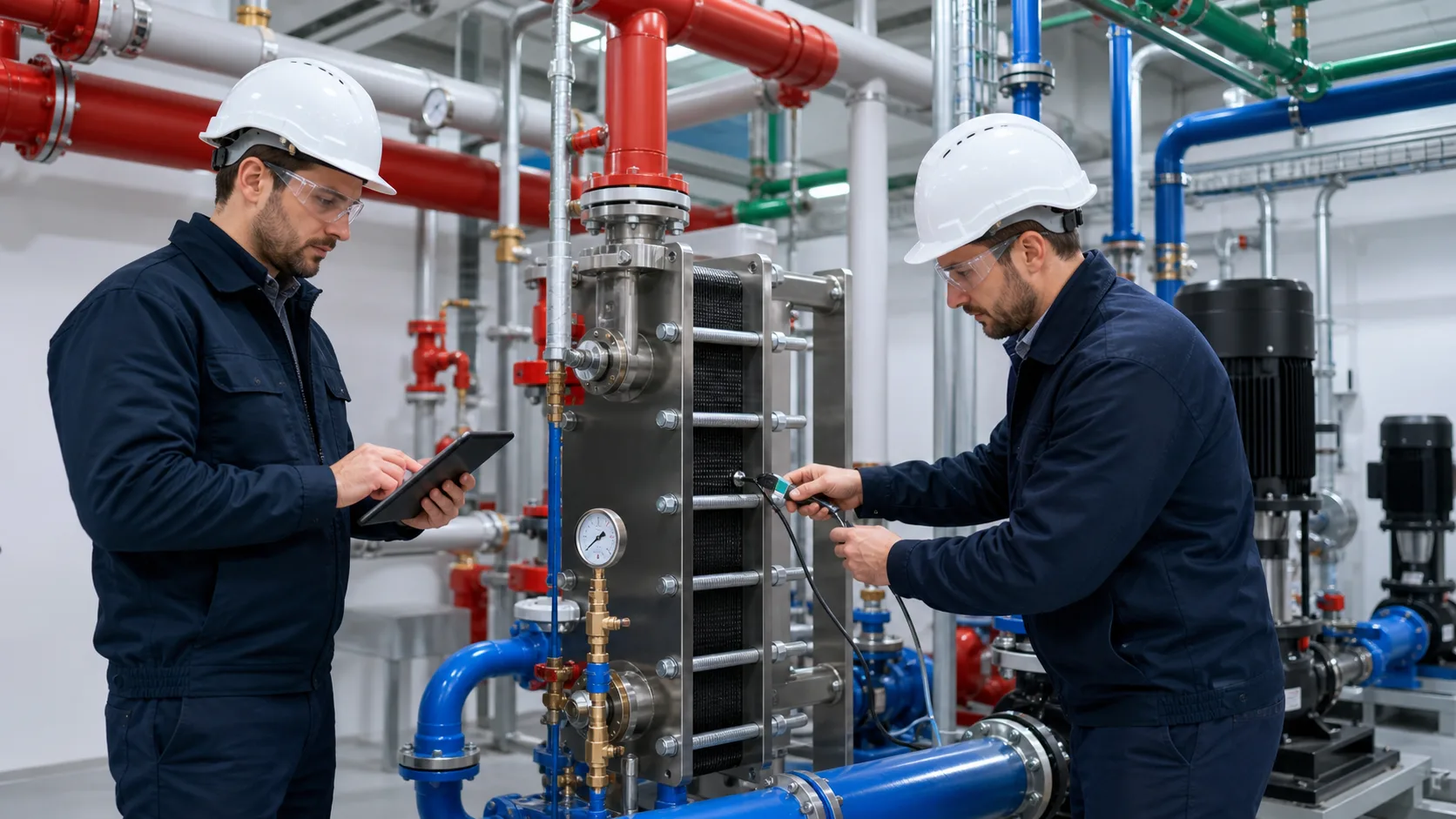
Industrial heat exchangers let you move heat without letting fluids touch. For mission-critical and regulated environments, that separation is everything. A plate-and-frame heat exchanger keeps the hot side and cold side in their own paths, while thin plates transfer energy between them.
Compared with traditional shell-and-tube designs, plate-and-frame units often offer:
- Higher thermal efficiency for a given size
- Tighter temperature approaches
- Smaller footprints that fit into crowded mechanical rooms
- Easier access for cleaning, inspection, and gasket work
Because the plates are stacked and gasketed, capacity can often be adjusted over time. Plates can be added or removed as loads change, as long as the frame and connections are sized with that in mind. This flexibility is helpful when production conditions shift, new lines are added, or ESG goals tighten.
Reliability depends on getting the details right. That includes:
- Picking plate and gasket materials that match your fluids
- Respecting pressure and temperature ratings
- Paying attention to fouling and cleaning needs
- Following applicable standards and industry practices
Typical waste heat recovery setups with plate-and-frame industrial heat exchangers include:
- Preheating boiler feedwater with hot condensate or process water
- Using chiller condenser water to heat domestic hot water
- Capturing process heat for low-temperature heating loops or reheat coils
Each layout must be engineered to keep fluids separate, protect core equipment, and still be serviceable over the long term.
Designing Waste Heat Recovery Systems That Actually Perform
A good waste heat recovery system starts on paper long before anyone cuts pipe. The first step is to define the design conditions clearly: temperatures in and out, flows, hours of use, and how those numbers swing with the seasons.
From there, we work through:
- Target approach temperatures that balance savings and equipment size
- A quick feasibility check based on real process data
- Discussion with operators about how the system must behave on a bad day, not just a good one
When sizing and selecting industrial heat exchangers, we look at plate geometry, flow pattern, fouling allowances, and allowable pressure drops. For example, a very dirty process stream may call for wider channels and lower velocities, with a cleaning plan built in.
Integration can be the hardest part. Mechanical contractors and plant teams often face:
- Limited space for new piping and equipment
- Choices about tie-in locations that will not disrupt production
- Controls strategies that decide when to recover heat and when to bypass
- The need for the new system to work in parallel with existing boilers and chillers
Material and gasket choices are especially important where fluids are corrosive, high-temperature, or subject to strict rules. This is often the case in regulated industries, where documentation and traceability matter as much as performance.
Working with an experienced heat exchanger specialist helps keep projects grounded. Together, we can model performance, pressure drops, and controllability so the final system does what the concept promised, without being underbuilt or oversized.
Keeping Heat Recovery Assets Efficient Over the Long Term
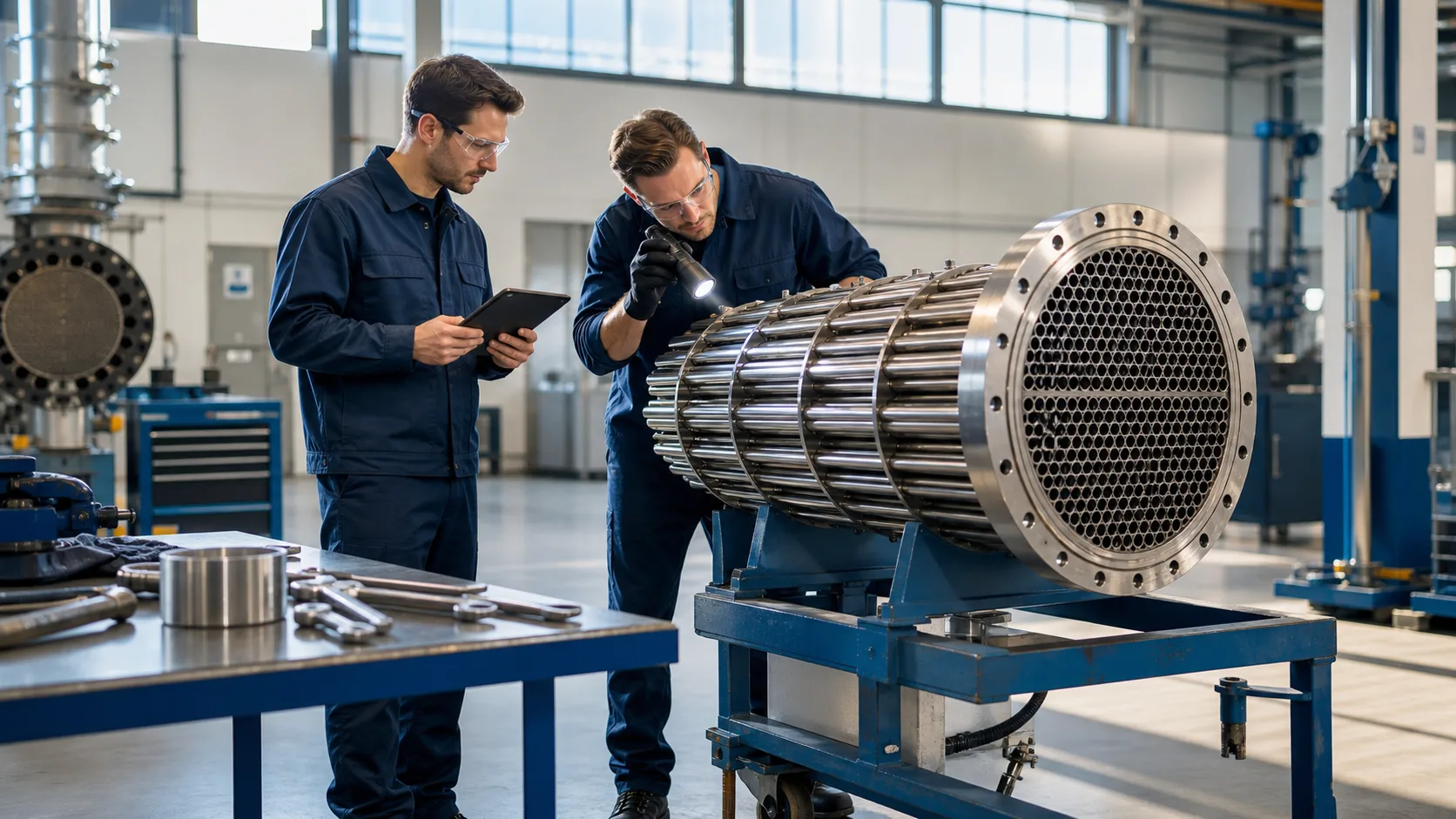
Even the best-designed system can quietly lose performance if it is not cared for. Fouling, scaling, and gasket wear all raise approach temperatures over time. That means less heat transfer, more energy use somewhere else, and less value from your investment.
Good practice for long-term performance includes:
- Routine benchmarking of inlet and outlet temperatures and pressures
- Trend logs in your building automation or control system
- Visual inspections during plant shutdowns
- Planned cleaning intervals based on real operating conditions
Professional plate refurbishment can often restore like-new performance. Plates can be cleaned, inspected, and regasketed, and replacement plates can be sourced when needed. This helps avoid full equipment replacement while still keeping performance strong.
A service-focused partner keeps plants running during peak seasons by offering fast gasket and plate support, emergency service options, and the documentation needed for regulated environments. For industrial facilities and plants here in our region, that level of support can make the difference between a simple planned outage and a long, stressful breakdown.
When maintenance is tied to energy, emissions, and uptime goals, it becomes much easier to justify in budgets. A clean, well-sealed plate-and-frame heat exchanger not only saves energy, it also helps boilers, chillers, and cooling towers work less hard, which can mean better reliability across the board.
Next Steps to Capture More Value From Your Waste Heat
Late summer and early fall are a smart time to review where heat is moving around your facility. A simple heat mapping exercise can uncover real chances to reuse energy you are already paying to create.
Start by:
- Listing your top hot streams that are currently cooled or dumped
- Noting approximate temperatures and flows for each
- Identifying nearby systems that need heat now or in the coming season
- Gathering drawings, control sequences, and recent operating data
From there, an engineered approach with plate-and-frame industrial heat exchangers can help turn those ideas into a reliable system that fits your industry and regulatory needs. At C.J. Mulanix Co. Inc., we focus on designing, supplying, and servicing high-performance plate-and-frame heat exchangers, gaskets, and replacement parts for mission-critical applications, and we support contractors and facilities through the full life of these assets.
By treating waste heat as a strategic resource instead of a nuisance, facilities can support long-term efficiency, stability, and equipment life. With the right mix of engineering, quality industrial heat exchangers, and ongoing service, waste heat recovery becomes not just a project, but a lasting advantage.
Get Started With Your Project Today
If you are planning or upgrading a system that relies on industrial heat exchangers, we can help you choose the right solution for your performance and budget goals. Our team at C.J. Mulanix Co. Inc. will walk you through key design considerations so your equipment operates reliably and efficiently. Tell us about your application and we will provide guidance, options, and next steps tailored to your operation. When you are ready, contact us to discuss your project with our specialists.