
Energy & Utilities
Energy & Utilities Gaskets / Plates
Get the Right Gasket, Right Plate, Right Now – Your Trusted Source for Heat Exchanger Parts.
Energy & Utilities Heat Exchanger Solutions
Overview & Key Applications
Plate-and-frame heat exchangers are central to cooling spent-fuel basins in nuclear plants, chilling gas and electrolyte streams in hydrogen-electrolysis facilities, recovering waste heat from exhaust to preheat process fluids, and handling HVAC duties in commercial and industrial sites. They also bolster efficiency in renewable-energy systems like solar thermal, geothermal, and hydroelectric installations.
Plate Materials & Hygienic Design
Gasketed plate heat exchangers are generally stainless steel (304 or 316L) for broad corrosion resistance and mechanical strength under high pressures. For aggressive or saline fluids (e.g., seawater cooling in power plants), titanium plates are available—as seen in Kelvion’s NT Series—and some Xylem GPX units use titanium as well.
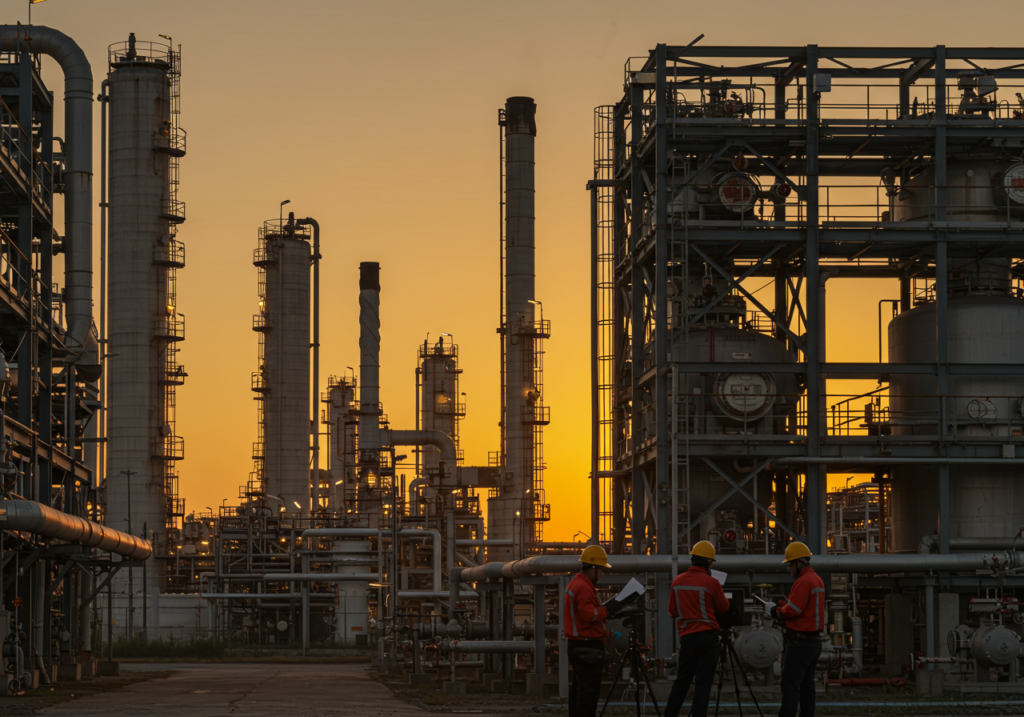
Plate Heat Exchanger Gasket Material Guide
Picking the right gasket is all about matching temperature, chemical exposure, and cleanability:
EPDM:
(Ethylene Propylene Diene Monomer)
Ideal for hot water, steam, and common treatment chemicals up to ~150–165 °C.
NBR
(Nitrile Butadiene Rubber)
Suited for oil and lubricant cooling circuits, resistant to petroleum fluids up to ~110 °C.
FKM/Viton:
For high-temperature loops (~180–200 °C) and aggressive chemicals or solvents.
Flexible Graphite (± metal facings):
Used in extreme temperature/pressure applications, often paired with metal spiral-wound or cam-profile gaskets.
Top Manufacturers & Models for Heat Exchanger Gaskets
When it comes to spares availability and service backing, these brands lead the pack:
Alfa Laval:
GEA / Kelvion:
EcoFlex (NT series) gasketed PHEs with optional double-wall plates. Clip gaskets in EPDM, NBR, or Viton to match your process needs.
SPX Flow / APV:
ParaFlow (R/Q series)—sanitary design with glue-free “snap” EPDM gaskets, plus FKM options and quick-change clips for fast gasket swaps.
Paul Mueller Company:
Accu-Therm sanitary PHEs built for viscous and particulate streams—usually fitted with FDA-EPDM or FDA-NBR.
Danfoss / Sondex:
SONDEX® sanitary PHEs in EPDM-HT, NBR-HT, or Viton, often with double-gasket leak detection for mission-critical biotech rigs.
Energy & Utilities Gaskets and Plates
| Manufacturer | Popular Models | Typical Gasket Materials |
|---|---|---|
| Alfa Laval | Industrial Line, T21, AlfaQ, AlfaCond, AlfaVap | Elastomeric gaskets (specific type varies by model and application) |
| Alfa Laval | M Series M6, M10, M15, M30, MX25, AQ4 | EPDM-HT, NBR-HT, Viton |
| Danfoss (Sondex) | SONDEX® Standard plate heat exchangers, Semi-welded plate heat exchangers, Free Flow plate heat exchangers | EPDM-HT, NBR-HT, Viton |
| FUNKE | Plate heat exchangers for industrial applications, Safety plate heat exchangers (FPDW) | NBR, EPDM, Chloroprene, Butyl, FPM (Viton) in various qualities |
| GEA | NT350, NT500, VT2508 | EPDM-HT, NBR-HT, Viton |
| GESMEX | XPS – Plate & Shell heat exchangers (Gasket-free), XPT – Thermoplate heat exchangers (All-welded) | Gasket-free (welded designs) |
| Kelvion | NT Series, NQ Series, NW Series (Semi-Welded), NB Series, Free Flow series, Safety series, Wide Gap series | Large choice available with high temperature and good chemical resistance |
| Sondex | S100, S41, S35 | EPDM-HT, NBR-HT, Viton |
| Tranter | SUPERCHANGER® Gasketed Plate And Frame Heat Exchanger, GT SERIES, GX SERIES, GC and GL SERIES | Wide range available to suit different operating environments |
| Tranter | UX Series | EPDM-HT, NBR-HT, Viton |
| Vicarb | V13, V28, V45, V85, V100 | EPDM-HT, NBR-HT, Viton |
| Viex | VX13, VX20, VX45, VX48 | EPDM-HT, NBR-HT, Viton |
Frequently Asked Questions
PHEs play a vital role in thermal management within the Energy & Utilities sector. Their applications include cooling spent nuclear fuel elements, cooling gases and electrolytes in electrolysis plants for hydrogen production, and crucially, heat recovery from waste streams to improve energy efficiency. They are also used in HVAC systems for buildings, and in various renewable energy systems like solar thermal and geothermal. Operational conditions in this sector often involve high pressures and temperatures, with steam and hot water loops reaching up to 150°C or more. The units must handle high flow rates and significant heat loads. They are also used in applications involving oils, requiring gaskets that can resist petroleum fluids.
The selection of gasket material in the Energy & Utilities sector depends on the specific application requirements, particularly temperature and fluid type. EPDM is a common choice for hot water, steam, and certain chemicals, making it suitable for HVAC and lower-temperature utility uses. High-temperature EPDM variants are available for more demanding conditions. NBR is frequently used for applications involving oil and water-based fluids, such as cooling and general utility services. Viton (FKM) is selected for its excellent resistance to high temperatures (up to 180-200°C) and a broad range of corrosive chemicals, making it appropriate for more demanding applications in power generation and chemical processing within the energy sector. For very high-temperature and pressure applications, flexible graphite gaskets, often combined with metal gaskets, are used for robust sealing. Oxidation-inhibited graphite is employed in extreme temperature scenarios. HNBR can bridge the gap between NBR and Viton for applications involving higher temperatures and aggressive fluids.