Cut Fouling, Not Uptime: Smarter Cleaning Strategies
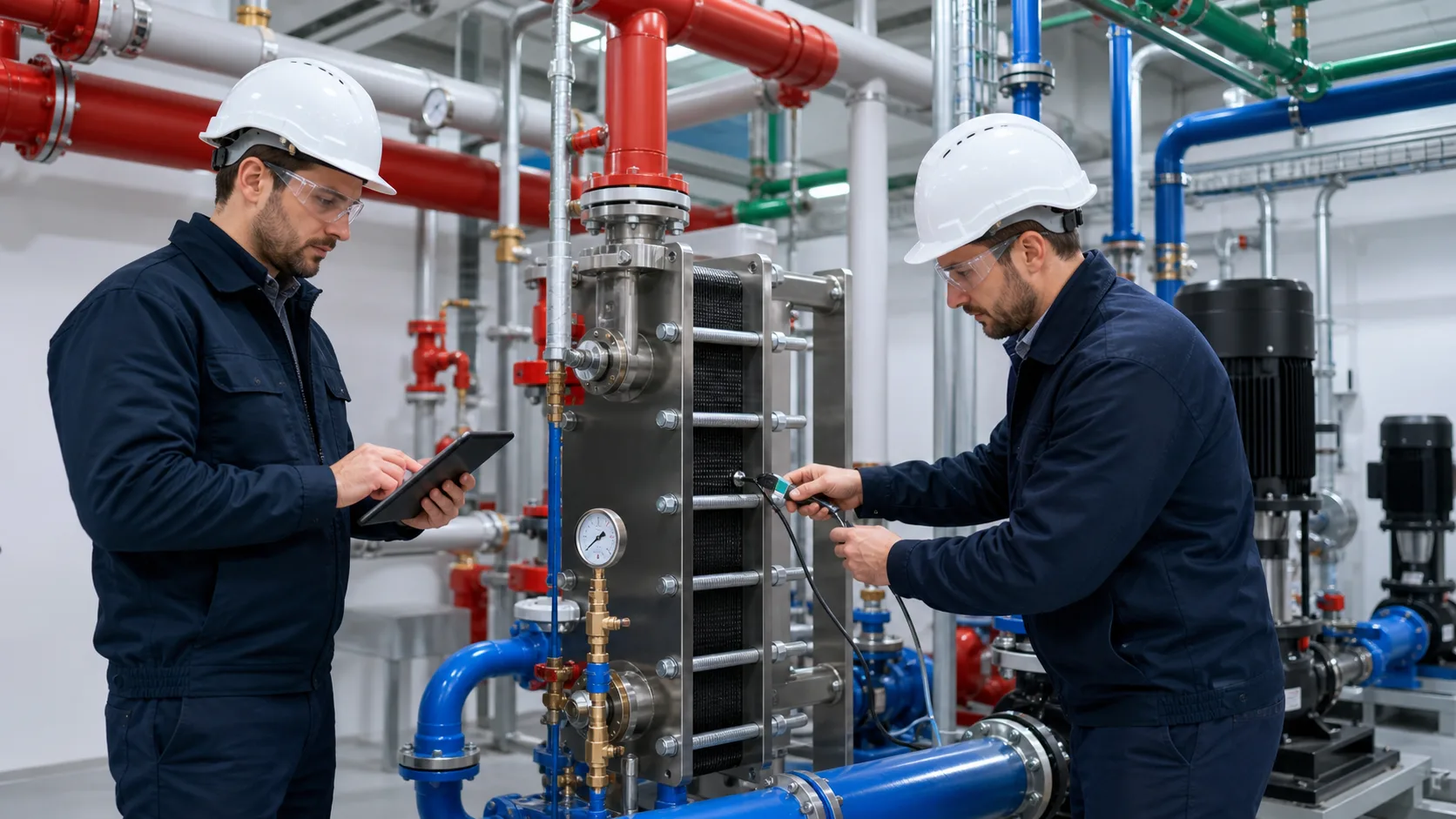
Cleaning a plate-and-frame industrial heat exchanger should not feel like a necessary evil. Done the smart way, cleaning is a strategic tool that keeps energy use low, protects product quality, and stretches the life of your equipment. The goal is simple: cut fouling, not uptime, and keep your thermal systems ready when your plant needs them most.
Fouling and scaling build up on plate surfaces over time. Minerals, organics, biofilm, or process solids create thin layers that block heat transfer and choke flow. You may not see it from the outside, but you will feel it in higher approach temperatures, rising pump loads, and more stress on plates and gaskets. In regulated industries like food and beverage, pharma, HVAC, power, and chemical processing, that hidden loss in performance can also increase risk around quality and compliance.
Late summer often brings high cooling demand, warmer source water, and tighter shutdown windows. That is a tough mix for any industrial heat exchanger. As an engineering, supply, and service partner focused on plate-and-frame units, we at C.J. Mulanix Co. Inc. help mechanical contractors and facilities keep their existing assets performing longer with the right cleaning and refurbishment strategies.
In this article, we will walk through how fouling hurts performance, how to time cleaning jobs, how to pick the right cleaning methods, and how smarter data and service partnerships support long heat exchanger life and strong uptime.
How Fouling Silently Destroys Heat Exchanger Performance
Fouling rarely shows up all at once. It grows gradually along what many call a fouling curve. At first, a thin film on plate surfaces only nudges approach temperature a bit higher. To keep process temperatures where you want them, pumps work harder to move the same flow across tighter passages, which slowly raises your energy use long before any alarm goes off.
As layers build, you see more than just lost efficiency. Fouling changes how fluid moves through the frame. Some channels narrow more than others, which can:
- Increase pressure drop across the unit
- Push flow away from certain plates
- Create localized hot or cold spots
Those hot spots and uneven loads put extra stress on plates and gaskets over time. Plates may flex more than they should, and gaskets can see higher temperatures or chemical attack in certain zones. All of this quietly shortens the life of the industrial heat exchanger.
The hidden costs show up in different ways:
- Lost production capacity because the unit cannot hit the original duty
- Drifting process temperatures that weaken process control
- Greater chance of nuisance trips or surprise shutdowns
In regulated spaces, there is another layer of risk. Biofilm and organic fouling can raise concerns about sanitation and cross-contamination. If your thermal steps are part of a validated process, even small temperature shifts can trigger questions during audits. On top of that, every extra cleaning cycle, teardown, and restart adds mechanical wear if not done correctly. Smart cleaning is not only about how you remove fouling, but how you avoid overworking the equipment in the process.
Timing Your Cleaning Intervals for Maximum Life and Uptime
Many plants still rely on calendar-based cleaning, such as pulling a unit every quarter whether it needs it or not. That approach is simple, but it often means cleaning too early or too late. Smarter strategies focus on actual performance and condition.
A good starting point is a clean baseline. When a plate-and-frame unit is new or freshly refurbished, you can record:
- Clean-plate pressure drop at design flow
- Approach temperature at normal operating conditions
- Pump speed or valve positions that match that performance
Those numbers, plus data from the unit’s engineering specs, define what “healthy” looks like. From there, you can set trigger points. Many teams watch for trends such as:
- A clear rise in approach temperature above the clean baseline
- A noticeable increase in pressure drop across the unit
- Pump speed creeping higher just to hold the same flow
When those shifts reach your chosen threshold, it is time to plan cleaning. Seasonal factors matter too. Late summer often brings warmer cooling water, longer production runs, and more biogrowth potential. All of that can speed up fouling, so close monitoring during these periods helps you avoid surprise problems when shutdown windows are short.
We regularly help facilities compare data to design expectations, then set practical cleaning thresholds that balance energy use, reliability, and asset life.
Choosing the Right Cleaning Method for Plate-and-Frame Units
Not all fouling is the same, and not every industrial heat exchanger needs the same level of cleaning. The main options fall into three broad groups:
- Clean-in-place (CIP) chemical cleaning
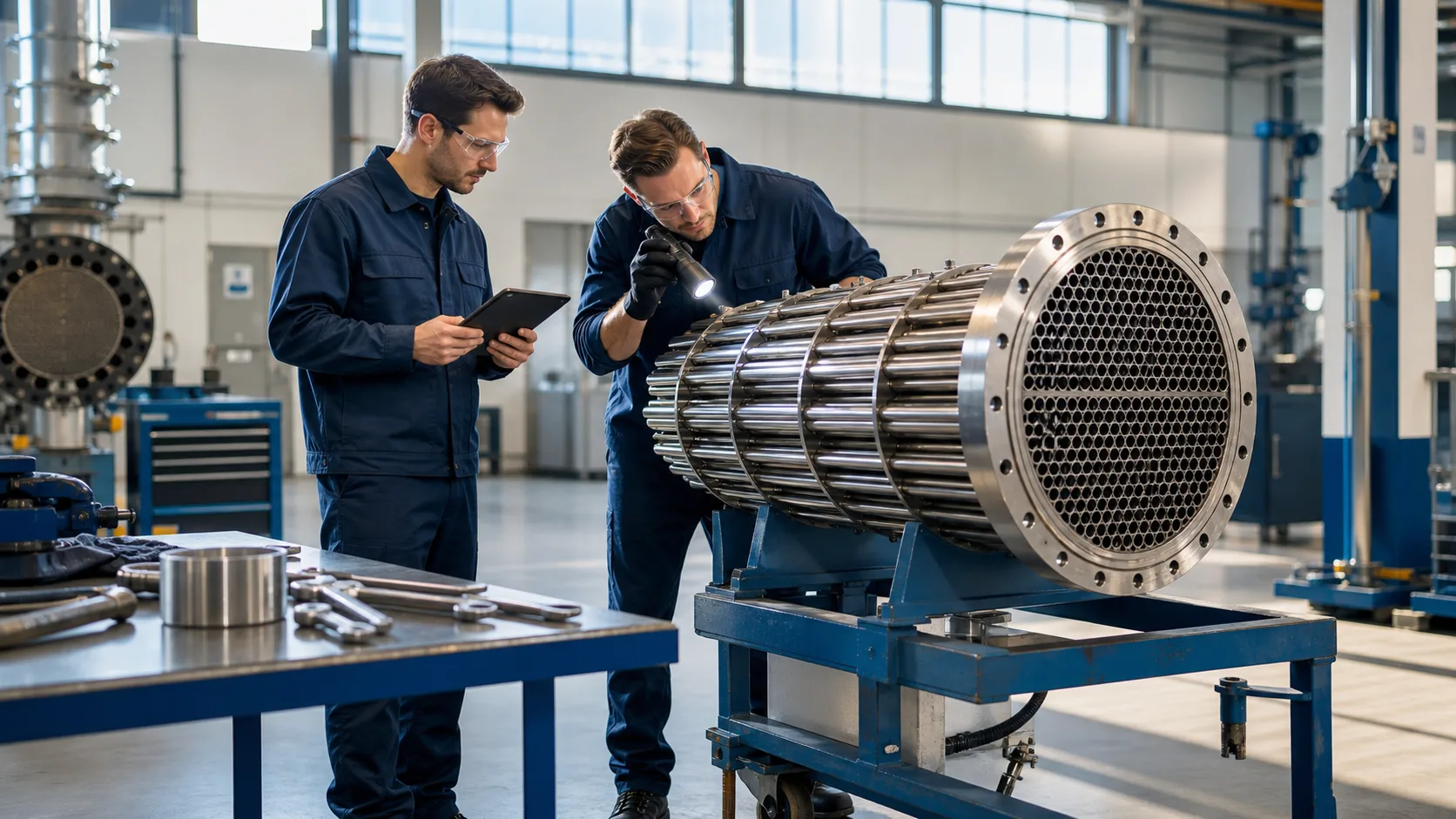
- Partial disassembly with targeted plate cleaning
- Full teardown cleaning with inspection and re-gasketing
CIP is often the first choice when fouling is light to moderate and downtime is limited. The right chemical solution flows through the unit, dissolving scale or softening organics without pulling the plates. This can work very well if the fouling type and metallurgy are understood.
Full teardown cleaning comes into play when:
- Scaling is heavy and tightly bonded
- There are signs of gasket damage or seepage
- You need visual proof of condition for audits or internal reviews
During teardown, plates can be cleaned, inspected, and re-gasketed as needed. The risk comes when chemicals or mechanical tools are not matched to the plate material or gasket type. Harsh acids, wrong pH, or abrasive scrubbing can pit stainless steel, harm special alloys, and crack or swell gaskets. That shortens plate life, even if the unit looks clean in the moment.
Choosing the right chemistry means matching it to the main foulant:
- Mineral scale usually calls for acidic cleaners with proper inhibitors
- Organic deposits often respond to alkaline or surfactant blends
- Biological growth may need specific biocides and temperature control
We focus on plate condition, metallurgy, and gasket materials first, then match cleaning methods and solutions to remove fouling while protecting plate integrity and gasket performance.
Extending Life with Refurbishment, Not Just Cleaning
Cleaning and refurbishment are not the same thing. Cleaning removes deposits. Refurbishment looks deeper at the health of the plate pack. A true refurbishment plan can include:
- Visual checks for deformation, pitting, or erosion
- Non-destructive tests and integrity checks
- Careful gasket removal and precision re-gasketing
By catching small defects early, refurbishment helps prevent minor plate flaws from turning into leak paths. It also lets you reset the unit closer to original performance, so you get more years of service before considering a full replacement.
When plates or gaskets need to be changed, engineered replacement parts that match the original thermal design are important. In some cases, material upgrades are appropriate for tougher fluids, higher temperatures, or more aggressive cleaning cycles. That kind of match between design, materials, and maintenance makes it easier to keep units clean without sacrificing life.
For regulated industries, documented refurbishment steps and material traceability support repeatable performance and easier inspections. At C.J. Mulanix Co. Inc., we combine engineering analysis with shop refurbishment to bring plate-and-frame units back to near-new performance while helping facilities stay within tight maintenance windows.
Smarter Data and Service Partnerships to Protect Your Assets
The best protection for an industrial heat exchanger comes from a mix of data, field experience, and planned service. When facilities share operating trends and fouling patterns, and we share what we see during inspections and lab checks, everyone learns which strategies work best for that specific process and water quality.
Simple monitoring practices can pay off:
- Regular trend tracking for approach temperature and pressure drop
- Quick visual checks during minor outages
- Annual performance reviews before peak heating or cooling seasons
When we are involved early in sizing, selection, or major process changes, we can help shape plate patterns and gasket materials that are easier to keep clean and that stand up better to expected fluids and cleaning routines. Service models like scheduled audits, stocked critical spares, and planned refurbishment slots help keep downtime low during high-demand periods.
Smarter cleaning is part of a broader asset strategy. With the right data, thoughtful cleaning intervals, and a technical partner focused on plate-and-frame equipment, your industrial heat exchanger can deliver steady performance, lower energy use, and a longer life across every season.
Get Started With Your Project Today
If you are planning a new system or upgrading an existing one, we can help you choose the right industrial heat exchanger for your application. At C.J. Mulanix Co. Inc., we work with you to clarify requirements, review key specifications, and avoid costly missteps. Tell us about your project and our team will provide practical options and next steps. To discuss timelines, budgets, or technical details, simply contact us today.