Get Heat Exchanger Sizing Right Before Peak Season
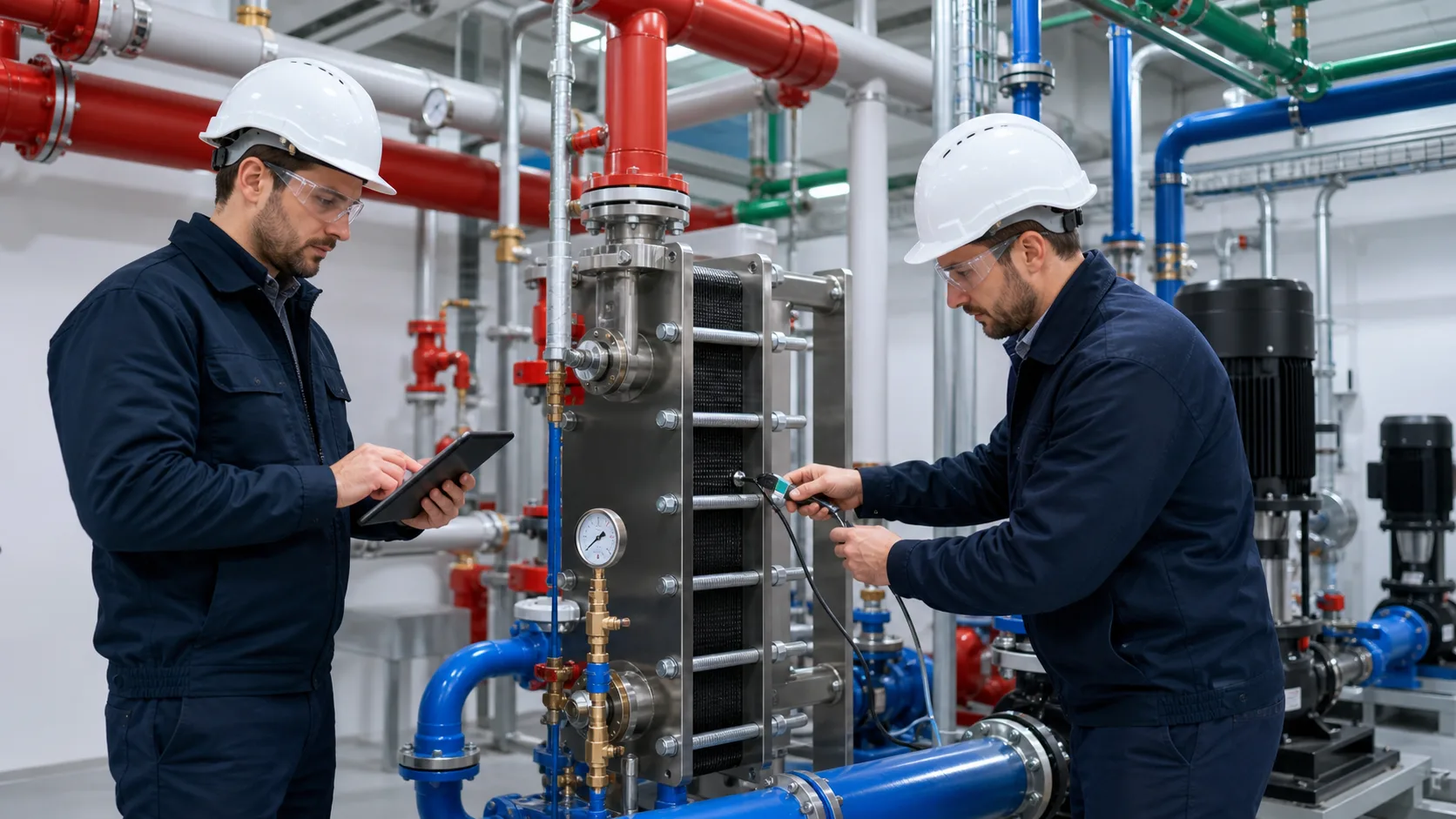
Sizing a gasketed plate-and-frame heat exchanger the right way is not about guessing close enough. It is about giving your system the capacity and control it needs on the hardest days of the year, not just the easy ones. Late summer is the window when many facilities teams and mechanical contractors lock in upgrades before heating season and next year’s heavy cooling loads show up.
If a unit is misapplied or undersized, the pain shows up fast. You see higher energy use, discharge temps that wander, alarms, product quality issues, and in the worst case, process shutdowns. That is a big problem in regulated spaces like pharma, food and beverage, data centers, and hospitals where uptime and documentation matter every single day.
Here, we will walk through the key data you need before you call a vendor, the common sizing and spec mistakes we see, and the questions that help you get the right gasketed plate-and-frame heat exchanger the first time.
Capture the Right Data Before You Call a Vendor
Good sizing starts long before anyone opens a software program. It starts with clean, accurate information from your system. When someone says, “Just match the old unit,” that is usually not enough for a mission-critical application.
For thermal duty and temperature program, gather:
- Inlet and outlet temperatures on both sides
- Required heat load in Btu per hour or kW
- Required approach temperature between the two fluids
- Any limits on leaving fluid temperature
If those numbers are only guesses, the selection will be a guess too. A small error in temperatures or duty can turn into poor performance when you get that first heat wave or cold snap.
Flow and fluid properties matter just as much. Before you talk to a plate vendor, try to pin down:
- Actual flow rates for both sides, not just pump nameplate values
- Fluid type, like water, glycol mix, or process fluid
- Viscosity and expected fouling tendency
- Any inhibitors, biocides, or other additives
Seasonal changes count here. In many parts of the country, including cooler Northern regions, winter condenser water or source water comes in colder than summer water. Chilled-water reset strategies also change your approach temperature across the year. Late-summer design work needs to see that full picture, not only the hottest or coldest day.
System constraints and codes are the third piece. Before sending data to a vendor, document:
- Available pressure drop on each side and pump head limits
- Design and operating pressures
- Space limits around the unit, including doorways and overhead clearance
- Cleanliness and regulatory needs, like FDA or USP expectations
- Any ASME or local code requirements
Try to write down both current and future “design day” conditions. If you know a process load is likely to grow, that should be part of the discussion now, not a surprise later.
Common Sizing Mistakes That Cost Energy and Uptime
Many plate-and-frame problems trace back to assumptions that sounded reasonable at the time. The unit works fine on mild days, then struggles when you need it most.
One big mistake is sizing only for typical conditions. If you size just for average summer cooling or a mild winter day, your equipment may hit a wall when you actually reach design outdoor temperature. That can lead to:
- Pumps running flat out
- Chillers or boilers working harder than planned
- Process temperatures drifting out of range
- Emergency work orders on nights and weekends
On the flip side, oversizing without a plan brings its own trouble. It is common to stack on a big safety factor “just to be safe.” But extra plates and surface area can push flow into the laminar range, where heat transfer drops and fouling builds faster. Control valves may hunt because the unit is so sensitive to tiny flow changes. Extra capacity should be deliberate, not a guess.
The third trap is ignoring fouling and real maintenance practices. A clean heat exchanger on day one is only part of the story. Over time, scale, biofilm, and product build-up create a layer that cuts performance. Good sizing work should look at:
- Reasonable fouling factors for your fluids and temperatures
- Plate patterns that balance turbulence with pressure drop
- How the plant actually cleans: manual opening or CIP
- How often shutdown windows truly occur
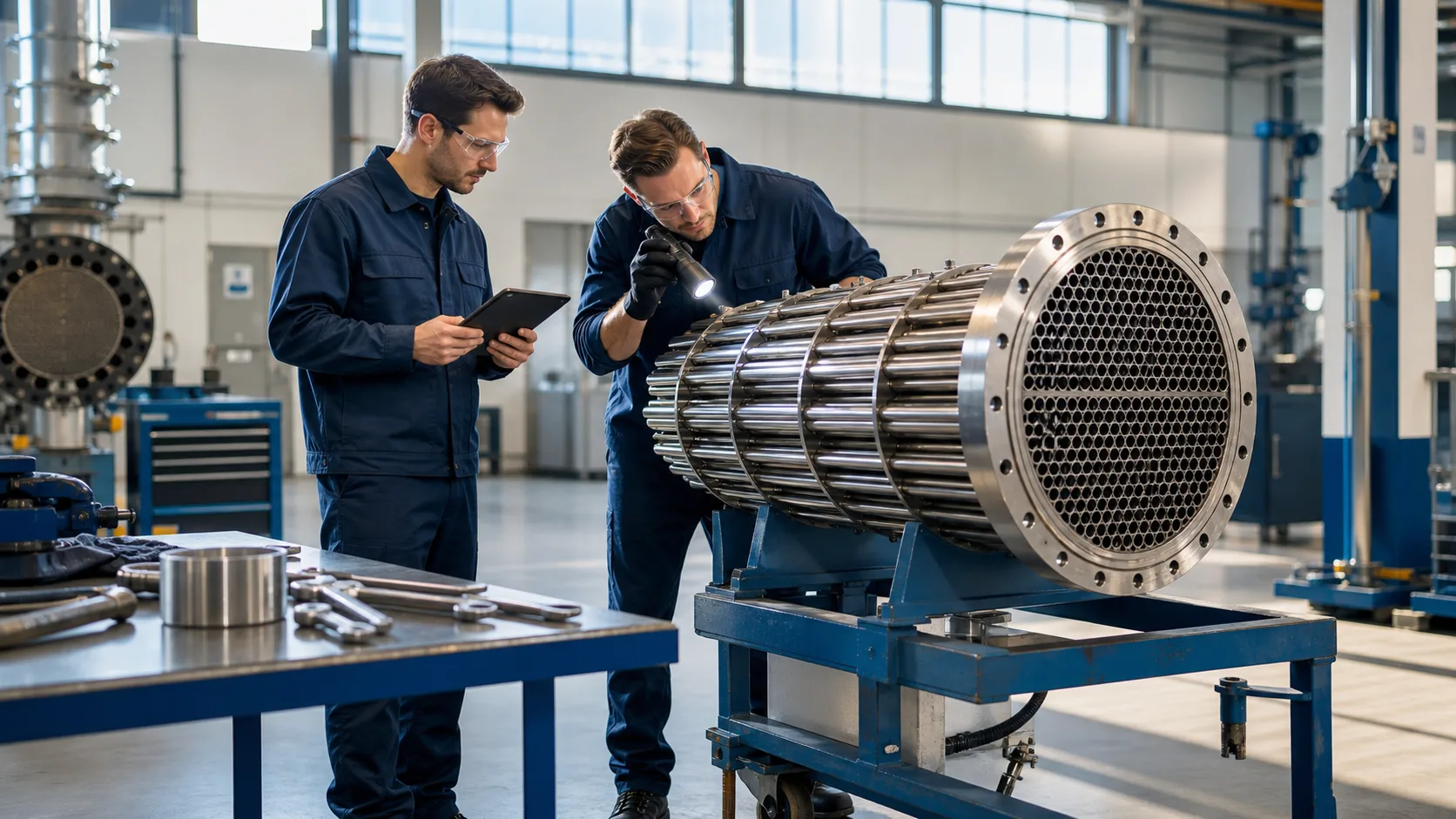
Designing the unit for practical cleaning access and plate handling makes seasonal maintenance far more realistic.
Key Specification Decisions for Long-Term Reliability
Once the sizing looks right, the specifications are where long-term reliability is either protected or put at risk. Choices about materials, patterns, and frame details affect how the unit runs for years.
Plate materials and patterns are a good place to start. Stainless steel is common for many HVAC and light industrial duties. More aggressive fluids may call for other alloys or titanium. Matching plate material to water quality, chemicals, and cleaning products helps reduce corrosion and surprise failures.
Chevron angles and plate patterns affect:
- How turbulent the flow is
- How much pressure drop shows up across the unit
- How resistant the channels are to fouling
- How easy it is to clean plates during shutdown
High-theta patterns tend to increase turbulence and heat transfer but use more pressure drop. Low-theta patterns are gentler on pressure but may need more area to do the job.
Gasket materials and frame design come next. Gasket elastomers must handle:
- Fluid temperatures and cycling
- System pressure and any spikes
- Chemical exposure from both process fluids and cleaning chemicals
- Ambient conditions in the mechanical room
Frame design is more than just color and nameplate. Nozzle location, nozzle size, and service side access should line up with existing piping, rigging paths, and the way your team will open the unit. If the frame cannot be expanded or does not fit the space well, future changes become expensive and slow.
Serviceability and total life-cycle cost often get less attention than first cost, but they matter more over time. Good specs should consider:
- Space to add more plates in the future
- Reasonable gasket replacement cycles
- How fast plates can be pulled and inspected
- Availability of technical support during brief shoulder-season outages
For facilities that only get short downtime windows in early fall or late spring, every hour saved on cleaning and re-gasketing really counts.
What to Ask Heat Exchanger Vendors Before You Buy
By the time you send data out for quotes, you should have enough detail to ask focused questions. This is where you turn a basic selection into a reliable long-term asset.
On performance verification and modeling, ask for:
- Thermal and hydraulic calculations for the proposed unit
- Design margins and how they were chosen
- Predicted performance in summer, winter, and shoulder-season conditions
- Any alternative plate patterns or pass arrangements and their trade-offs
Do not be shy about asking “what if” questions. For example, what happens if the flow rate drops on one side, or if supply water comes in colder than expected?
Support, parts, and exact-fit components are another big topic. Ask vendors about:
- Lead times for replacement gaskets and plates
- How long they expect to support that plate pattern
- Ability to match or improve on an existing footprint
- Field services available for startup, troubleshooting, and seasonal checks
Exact-fit gaskets and plates are especially helpful when you are working around existing frames and tight plant schedules.
Compliance, documentation, and quality should round out the conversation. Before you commit, confirm:
- Code compliance, such as ASME where required
- Material traceability practices
- Pressure testing procedures
- Documentation packages for regulated industries
- Training options for your maintenance staff
- Recommended cleaning and inspection intervals
- How performance will be checked after commissioning
When all of that is clear up front, commissioning and audits go much smoother.
Turn Your Next Plate-and-Frame Project Into a Long-Term Asset
A gasketed plate-and-frame heat exchanger does not have to be a trouble spot on every hot or cold day. When you gather the right data, avoid the classic sizing traps, and ask direct questions about performance, maintenance, and parts support, that piece of equipment becomes a stable part of your plant for many years.
Late summer and early fall are a smart time for facilities teams and mechanical contractors to walk their systems, review existing plate-and-frame units, and capture real operating conditions. With that information in hand, you can prioritize replacements, plate packs, and upgrades before the next peak season arrives and the margin for error gets small.
Get Started With Your Project Today
If you are planning, specifying, or troubleshooting a gasketed plate-and-frame heat exchanger, we can help you move from concept to reliable, efficient operation. At C.J. Mulanix Co. Inc., we draw on practical field experience to guide you through selection, sizing, and long-term maintenance considerations. Share your application details and we will recommend a tailored approach that fits your performance and budget goals. Ready to talk specifics about your equipment or process conditions? Contact us today to get started.