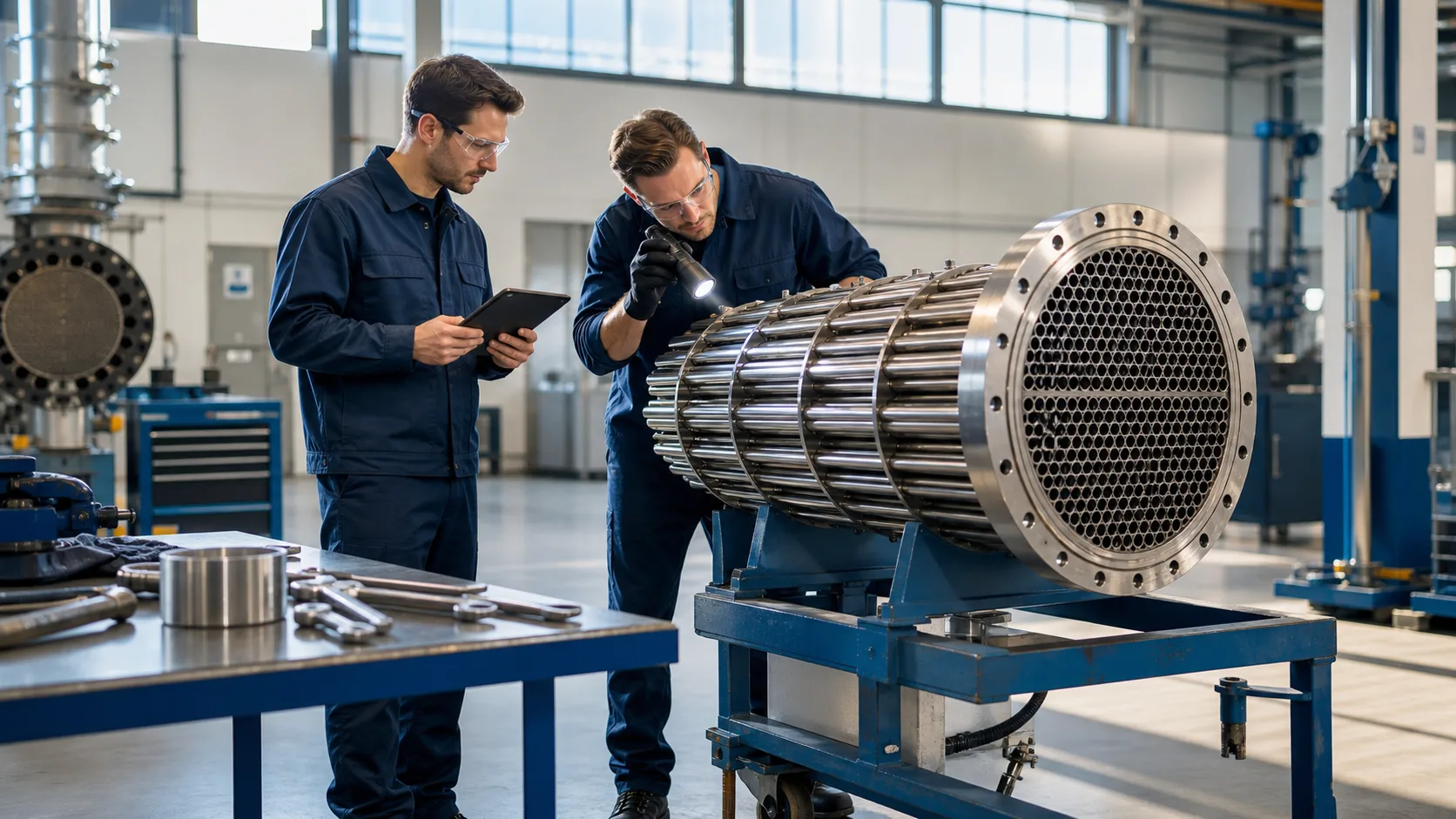

Industrial heat exchanger uptime lives or dies on the small parts that are easy to overlook. Gaskets seem simple, but they quietly decide if your plates stay tight, your approach temperature holds, and your crew sleeps through the night instead of responding to alarms at 2 a.m.
In this article, we walk through how smarter gasket choices keep your industrial heat exchanger running through late-summer stress, why “good enough” gaskets are not really good enough, and what to look for in materials and fit so you get longer runs and fewer panic calls.
Smarter Heat Exchanger Gaskets, Longer Uptime, Lower Panic Calls
Late summer is that tight spot in the year. Cooling loads are still high, shoulder season is coming, and many plants and facilities are already thinking about heating changeover. Heat exchangers are working hard, and this is when weak gaskets show up fast.
Too often, gasket selection is treated like buying office supplies. Someone says, “It fits and it is cheap, so it is fine.” But gasket choices drive:
- Uptime between cleanings
- Leak rates and safety risk
- Energy use and approach temperature
- Stress on plates, frames, and bolts
Smarter heat exchanger plate gasket choices mean matching material, profile, and exact-fit design with what really happens in your system: real temperatures, flow swings, cleaning chemicals, and your actual maintenance windows. As a company that designs, supplies, and services plate-and-frame heat exchangers every day, we see how much reliability improves when gaskets are engineered to the job instead of treated as generic parts.
Hidden Costs of “Good Enough” Gasket Decisions
When a gasket is underspecified or just “generic,” the problems do not always show up as big leaks on day one. They creep in.
You can see it in slow performance loss, like:
- More fouling because of uneven flow paths
- Plate bypass where fluid sneaks past the intended channel
- Hot spots and higher approach temperatures
- Pumps working harder to get the same duty
Those small changes show up as rising energy use, more strain on chillers and boilers, and operators chasing temperatures that used to be easy.
Operational risks grow too. A gasket that is not matched to your process can start to weep or leak under peak summer load. That can mean:
- Sudden shutdowns to avoid product loss or safety hazards
- Slippery floors, spray, or mist near walkways and equipment
- Emergency service calls that knock other planned work off the schedule
You also pay more over the life of the exchanger. “Cheap” gaskets that do not fit or hold up well often:
- Need more frequent replacement
- Push you to use more chemicals and harsher cleaning to fight fouling
- Put extra stress on plates and frames because you need more torque to seal them
So the total cost of ownership goes up, even if the unit price looked good on paper.
Matching Gasket Materials to Real-World Process Demands
Gasket material is where many problems start. Common compounds like NBR, EPDM, and FKM all have different strengths. The right pick depends on what flows through your industrial heat exchanger and how you clean it.
For example:
- NBR is often used with many oils and some glycol mixes, but it may not love certain aggressive chemicals
- EPDM can handle many hot water and some cleaning solutions, but some oils and solvents are an issue
- FKM brings stronger resistance to some harsh chemicals and higher temperatures, but needs to match the exact chemistry
When the material does not match the job, you get:
- Swelling, where the gasket grows and no longer sits right in the groove
- Hardening, where it becomes brittle and cracks under movement or re-clamping
- Compression set, where the gasket does not bounce back after being clamped
Seasonal operation makes this tougher. Many facilities run:
- Summer duty with cooling tower water, higher ambient air, and long run hours
- Winter duty with heat recovery or higher temperature loops
- Shoulder seasons with frequent load swings and more on-off cycling
- Off-season cleaning with CIP, manual cleaning, or outsourced refurbishment
Gasket materials need to handle all of that, not just a single operating point written in a spec sheet years ago.
Exact-Fit Gasket Engineering That Protects Uptime
Material is only half the story. Fit is just as important. A gasket that is close but not exact can create more trouble than you expect.
Precision fit to the original plate design helps ensure:
- Correct compression when the frame is tightened
- Uniform sealing surface around the full plate perimeter
- Reliable engagement with the plate groove, clip, or glue pattern
Exact-fit replacement gaskets help keep plates lined up, so you have consistent channel spacing and the flow pattern the heat exchanger was designed for. That means less risk of:
- Channeling, where fluid takes a shortcut through a few channels
- Bypass, where flow slips around the plate pack edges
- Cold or hot spots that steal performance from the unit
The best results come from working with a supplier that knows plate-and-frame exchangers deeply, can reference or reverse-engineer OEM specs, and pays attention to compound validation. When gaskets are tested under realistic operating conditions before they reach your floor, you get much better odds of a stable, leak-tight run through peak season.
Maintenance-Ready Gasket Choices for Peak Season Reliability
Even the best gasket needs to be maintained. Smarter choices make that easier too. When gaskets are designed with maintenance in mind, your team can keep uptime high with less struggle.
Good maintenance-ready features include:
- Gaskets that stay put in the groove when plates are handled
- Designs that respond well to re-clamping without losing sealing power
- Compatibility with your chosen cleaning method, whether manual cleaning, CIP, or full refurbishment
A seasonal gasket strategy also helps. Many facilities do well when they:
- Inspect plate packs and gaskets in late spring or early summer
- Replace or refurbish sets that are near the end of their life before peak load hits
- Keep spare gasket sets and planned rotation cycles ready for critical exchangers
This kind of planning reduces the chance you are pulling a major process or chilled water unit apart in the middle of August or September, when cooling and production needs are at their highest and outdoor heat in areas like the Midwest is still heavy.
Turn Gasket Strategy Into an Uptime Advantage
When we treat gasket selection as a real reliability decision, not just a simple purchase, uptime improves. Late summer becomes less of a “hold your breath” period and more of a normal part of the operating year.
A practical first step is a focused gasket and plate review with a heat exchanger specialist. Look at current materials, fit against the plates, and how often you are cleaning or re-gasketing. Even small changes, like aligning compounds with cleaning chemistry or tightening up fit tolerances, can add hours and days of uptime when you need it most.
At C.J. Mulanix Co. Inc., we design, supply, and service plate-and-frame industrial heat exchangers with that bigger picture in mind. By pairing exact-fit gaskets, engineered plate solutions, and thoughtful refurbishment plans, facilities can keep their mission-critical exchangers ready for the toughest late-summer and seasonal loads without relying on luck.
Get Started With Your Project Today
If you are planning or upgrading a system that relies on an industrial heat exchanger, we can help you move from concept to reliable, efficient operation. At C.J. Mulanix Co. Inc., we work with you to clarify requirements, select the right equipment, and address any performance concerns early. Tell us about your project and we will provide straightforward guidance on practical next steps. To start the conversation, simply contact us.