Heat exchanger gasket replacement is not just swapping rubber and tightening bolts. It is a planned, technical job that touches uptime, safety, hygiene, and energy use. When the plates and gaskets in your plate heat exchanger are treated like an afterthought, the rest of the system usually pays the price.
In the middle of a hot summer, one leaking gasket can be the start of bigger trouble. Sudden shutdowns, fouled product, cooling complaints from tenants, or alarms in your plant can all trace back to gasket issues that were ignored or rushed. In this article, we walk through what is really going on with those gaskets, what a proper replacement should look like, and how to turn the next outage into a reliability upgrade instead of a fire drill.
Stop Guessing at Plate Heat Exchanger Gasket Issues and Start Planning
Heat exchanger gasket replacement should never be a last‑minute fix. These parts live in a tough spot, right between hot and cold fluids, pressure swings, and cleaning chemicals. When they fail, they can affect uptime for cooling and process systems, hygiene in domestic hot water or food and beverage service, and operating cost from lost efficiency and extra pumping.
When gasket work is pushed off, small seeps can turn into full leaks at the worst time, usually during peak summer load. That is when chillers run hard, towers struggle with hot outdoor air, and you have the least room for error. A rushed gasket job during that period can lead to unplanned shutdowns right when you need cooling most, production losses or product risk if fluids mix, and trouble staying within health or safety rules.
Instead of guessing which unit will fail next, a structured, engineering‑driven plan lets you pick the timing and scope. That way, you protect the heat exchanger, the system around it, and the people who count on steady heating and cooling.
How Gaskets Actually Fail Inside Plate Heat Exchangers
Gasketed plate heat exchangers do not suddenly decide to leak one day. They get pushed past their limits over time as the rubber and plates see heat, pressure, and chemicals. Some of the most common gasket failure modes include:
- Compression set, where the gasket stays flattened and loses sealing force
- Hardening or cracking from age or high temperature
- Chemical attack that eats or softens the rubber
- Swelling that changes gasket shape and fit
- Mechanical damage from bad handling, scraping, or uneven tightening
These hidden changes show up as everyday plant problems. External leaks along the frame often point to compression loss or hard, brittle gaskets. Product cross‑contamination can mean a failed gasket bridge or damaged plate edge. Reduced thermal performance can come from fouling plus tired gaskets that no longer seal the flow pattern correctly, and unexpected pressure drops may be connected to warped plates or gasket swelling that pinches flow paths.
Certain conditions make all of this happen faster. Frequent thermal cycling, such as systems that start and stop many times per day, works the gaskets harder. Strong cleaning chemicals or high-concentration cleaning can attack the rubber. High summer operating loads can push temperature and pressure closer to design limits and expose weak gaskets fast.
What a Professional Heat Exchanger Gasket Replacement Includes
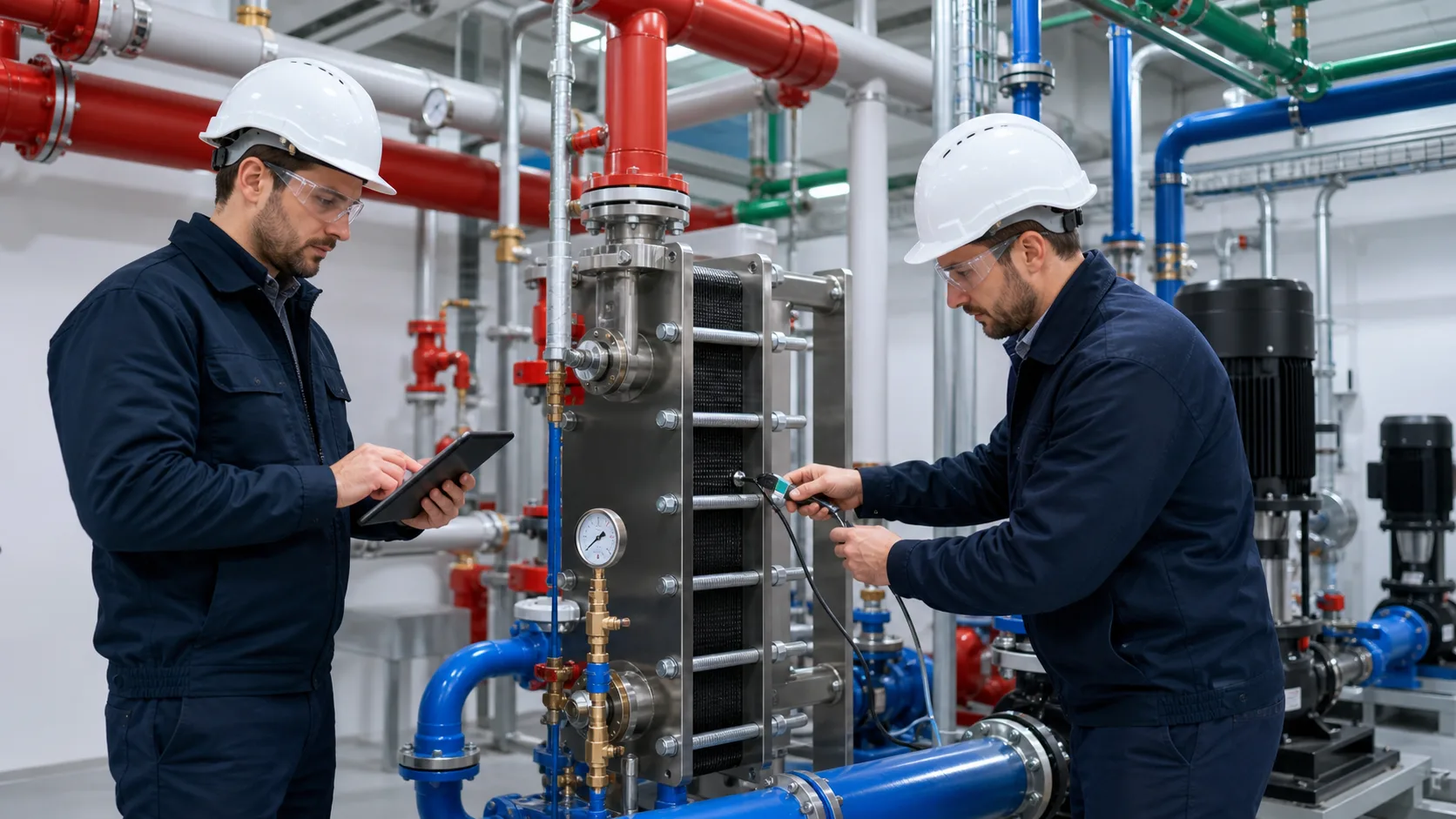
A professional plate heat exchanger gasket replacement is a controlled process, not just a parts swap. A best‑practice workflow usually includes:
- Safe isolation, draining, and lockout of the unit
- Measured, even frame opening and plate removal
- Plate count and order verification against drawings or nameplate
- Tagging and inspection of plates for orientation and condition
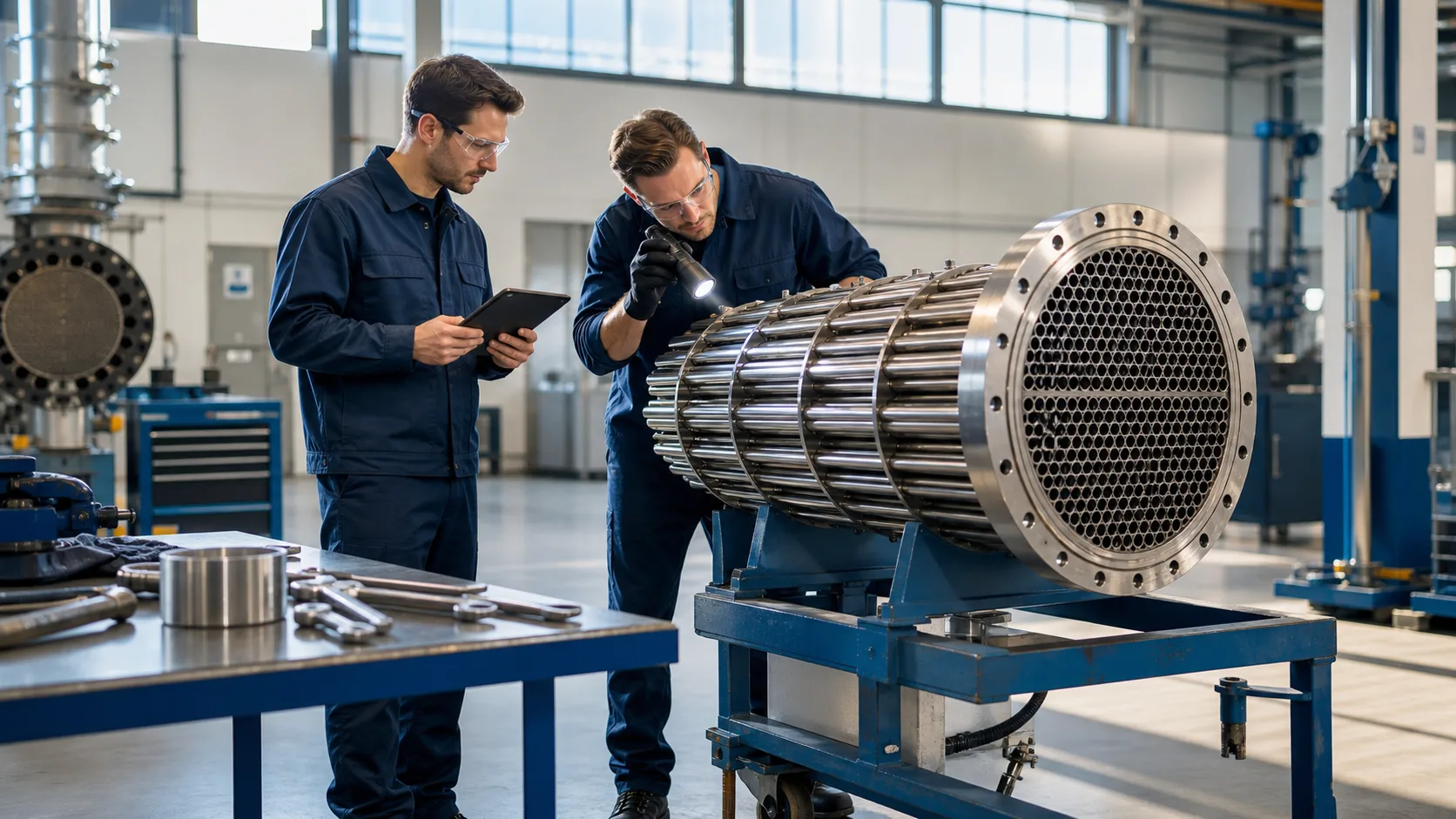
Once the frame is open, each plate should be cleaned, inspected, and prepared. This includes careful cleaning of plates (including gasket grooves), a full visual inspection for wear, corrosion, or gasket imprint issues, and removing old gaskets without scratching or bending plate edges.
Before any gaskets are ordered or installed, engineering checks matter. Someone should confirm plate metallurgy is suitable for the fluids and cleaning methods, the gasket compound is compatible with both sides of the exchanger, and the design temperatures and pressures match what the gasket can handle.
Quality control is where many quick jobs fall short. A thorough service should include:
- Plate flatness checks to catch warped or damaged plates
- Visual or dye penetrant checks for cracks around ports and edges
- Careful reassembly with even tightening to the correct frame dimension or OEM torque pattern
This process takes planning and experience, which is why professional service is so important for mission‑critical systems.
OEM vs Aftermarket Gaskets and When Each Makes Sense
When it is time for heat exchanger gasket replacement, the next big question is which gasket path to follow. In many cases, both OEM and high‑quality aftermarket options are available. Each has strengths, so the choice should be based on your system, not just on the quote.
Key factors include:
- Exact fit to the plate pattern and groove
- Rubber compound quality and consistency
- Temperature and chemical resistance for your fluids and cleaning
- Lead time and availability for your service window
Lower-grade, “will‑fit” gaskets might seem fine at first look, but they often cause trouble later. Common problems include:
- Poor compression that needs extra tightening to seal
- Leaks that show up when temperatures rise or cycles get frequent
- Shorter gasket life, which cancels out any early savings
An expert supplier evaluates the whole picture. That means looking at total lifecycle cost, how critical the unit is to your building or process, any warranty issues, and your maintenance style. In some cases, OEM makes the most sense; in others, a proven aftermarket gasket with matching material specs is a smart, reliable choice.
Planning Heat Exchanger Work Around Cooling Season Peaks
In many parts of the country, including the Pacific Northwest where we work, late summer can push cooling systems hard. That makes it a smart moment to look back at how your heat exchangers performed. Did you have nuisance leaks, top‑off calls, or hot complaints on certain days? Those are clues that gasket replacement should be planned before the next season turns.
Helpful planning steps include:
- Reviewing leak logs and work orders for each exchanger
- Checking tightening records and frame measurements
- Looking at performance trends from building automation or plant data
The best time for gasket work is usually during shoulder seasons or planned shutdowns. That could mean early spring before cooling peaks again, or fall before heavy heating loads and plant turnarounds. Aligning gasket replacement with those periods helps limit downtime during busy production or occupancy times, coordinate work with other HVAC or process maintenance, and give enough lead time to get the right plates and gaskets on hand.
Building a simple maintenance calendar pays off over time. Many facilities choose to:
- Set inspection intervals based on service conditions
- Stock gasket sets for their most critical exchangers
- Plan plate cleaning and refurbishment on a multi‑year cycle
Make Your Next Gasket Replacement a Reliability Upgrade
Heat exchanger gasket replacement is a chance to move your system forward, not just put it back the way it was. With a thoughtful plan, you can improve reliability, tighten up hygiene control, and recover lost efficiency at the same time.
At C.J. Mulanix Co. Inc., we focus on engineering review, smart gasket selection, plate refurbishment, and on‑site support for plate and frame heat exchangers in demanding industrial and commercial settings. Treat your next gasket project like an upgrade, and your equipment, your team, and your operation will all feel the difference.
Get Started With Your Project Today
If your equipment is showing signs of wear or inefficiency, we can help you plan a precise and reliable heat exchanger gasket replacement that fits your operation. At C.J. Mulanix Co. Inc., we work with you to identify the right materials, timelines, and service approach to keep downtime to a minimum. To discuss your needs or request a quote, contact us and our team will follow up with clear next steps.