High-purity production lines do not leave much room for error. When your product touches a liquid heat exchanger, any small slip in design, material, or maintenance can show up as lost yield, off-spec batches, or cleaning headaches.
In this article, we walk through how to think about liquid heat exchangers for high-purity processes. We will look at what purity really demands, how plate-and-frame systems can help, and why smart design and service matter even more as the summer heat and late-year demand both push your systems harder.
Engineering Heat Exchangers That Protect High-Purity Lines
High-purity processes show up in a lot of plants. Think about:
- Pharmaceuticals and biotech
- Food and beverage production
- Microelectronics and semiconductor support systems
- Specialty chemicals and ingredients
In these lines, the product must stay clean, consistent, and tightly controlled from start to finish. Temperature control is a big part of that. If you miss your target by even a small margin, you can change reaction rates, damage proteins, shift viscosity, or create conditions where microbes grow more easily. That puts quality, yield, and regulatory compliance at risk.
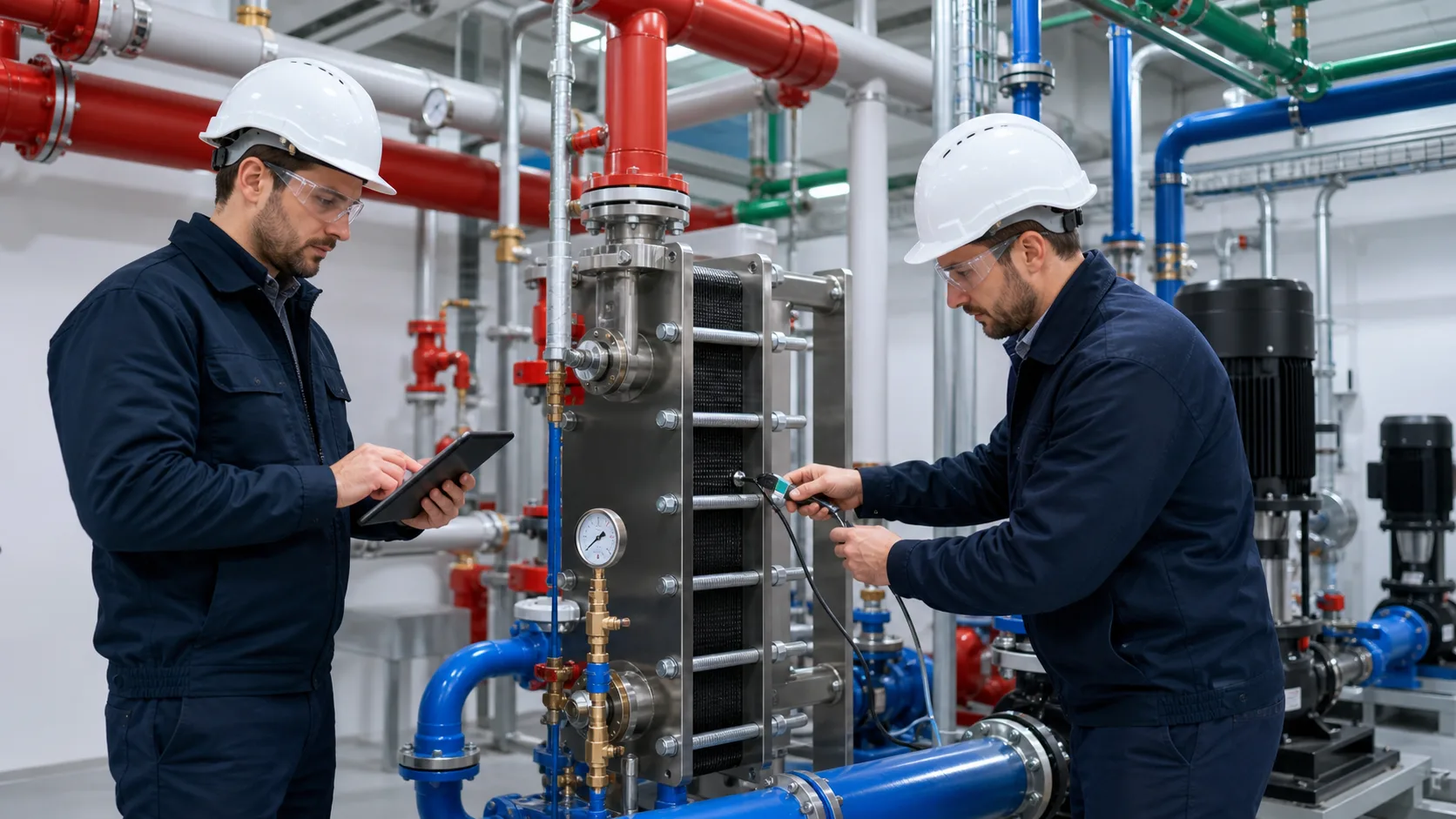
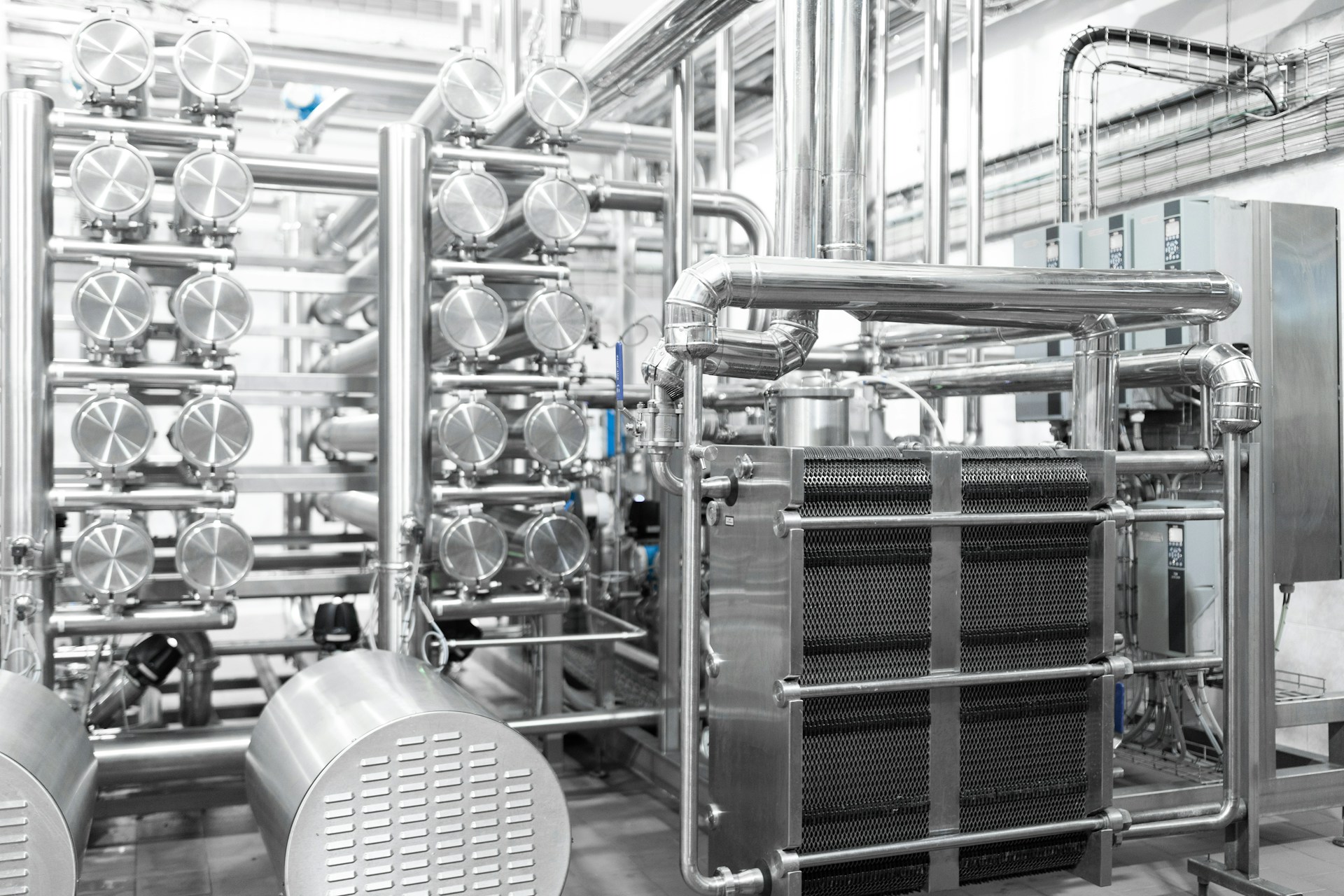
A liquid heat exchanger is the workhorse that quietly holds those temperatures in the right window. The exchanger must move heat quickly between process and utility fluids, but it has to do it without adding particles, leachables, or cross-contamination. Plate-and-frame units are very good at this because they pair strong thermal performance with easy access for cleaning and inspection.
As production ramps up into late summer and fall, lines in many regions run hotter and harder. Cooling water is warmer, product tanks turn faster, and any weak point in design or materials shows up fast. That is when the details of plate geometry, alloys, gaskets, and service programs really start to matter.
What High-Purity Processes Need From a Liquid Heat Exchanger
High-purity work puts special demands on exchanger design. The inside of the unit should support cleanliness, not fight it. That usually means:
- Smooth metal surfaces with a fine finish
- Minimal dead legs or tight crevices
- Flow paths that keep fluid moving and sweeping surfaces
These choices help reduce areas where bacteria can hide or where particles and proteins can stick.
Thermal performance matters just as much. A well-designed unit should deliver:
- A tight approach temperature between process and utility streams
- Fast response to swings in flow or inlet temperature
- Good energy use so you are not wasting chilled or hot media
Sensitive formulations often have narrow temperature windows, so this kind of control is not just nice to have, it is tied directly to product quality.
On top of that, hygienic and sanitary needs come in. For many lines, especially in food, beverage, and certain drug or ingredient plants, the exchanger must support:
- Reliable clean-in-place and, in some cases, steam-in-place cycles
- Materials commonly accepted in sanitary service
- Geometries that allow caustic, acid, or steam to reach every surface
If the design does not match your purity expectations, trouble tends to show up when the weather is hot, utility water is warm, and units run close to their limits. You might see more frequent fouling, unexpected bioburden spikes, or even mixing between circuits if gaskets or plates begin to fail under stress.
Selecting Materials and Gaskets That Safeguard Product Purity
Choosing the right plate material is one of the biggest purity decisions you make. Common plate metals include:
- Stainless steel grades for many food and general process duties
- Titanium where chlorides or aggressive cleaning chemicals are present
- High-nickel alloys for very corrosive services or specialty chemicals
The right choice depends on things like chloride levels, pH, cleaning chemistry, and any known stress cracking risks.
Gaskets also carry a lot of responsibility. Common options include:
- EPDM for many hot water and cleaning uses
- NBR for certain oil or hydrocarbon services
- FKM and other fluoroelastomers where higher temperatures or harsh media are involved
For high-purity lines, we have to think about chemical compatibility, temperature range, and possible extractables that could end up in product contact fluid.
Surface finish and plate pattern play a big part too. A tighter pattern can give better heat transfer and higher turbulence, which helps with self-cleaning, but it also raises pressure drop. A smoother pattern might be easier to clean and gentler on shear-sensitive products. The goal is to balance heat transfer, energy use, and cleanability.
At C.J. Mulanix Co. Inc., we help plants match new plates and gaskets to existing frames so they can keep their current footprint while raising purity and extending system life.
Design Strategies for Reliable, Cleanable Plate-and-Frame Systems
Sizing a high-purity liquid heat exchanger is more than hitting a duty number. We look at:
- Flow rates on both process and utility sides
- Approach temperature and any seasonal swings
- Allowable pressure drop across the plates
- A realistic margin for future capacity or tighter specs
Flow configuration and distribution areas need careful thought. The idea is to keep velocity in the right range, avoid dead zones, and steer flow evenly into all channels. Good design helps protect against stagnation and reduces risk of cross-contamination between the two circuits.
CIP and SIP expectations shape the mechanical layout. We pay attention to:
- Easy access to plates for inspection or pull-and-clean
- Gasket geometry that sheds cleaning fluids and drains well
- Plate pack compression and frame design that handle thermal expansion cycles
Plate-and-frame units are naturally modular. That makes them a strong fit for plants that see seasonal capacity changes, product changeovers, or phased upgrades. You can often add or remove plates, change patterns, or switch materials without replacing the whole frame.
Keeping High-Purity Heat Exchangers Performing Like New
Even the best liquid heat exchanger will drift over time if it never gets checked. Good maintenance programs track signs like:
- A growing temperature approach at normal loads
- Rising pressure drop, which often points to fouling
- Any drips, stains, or gasket swelling that show up on the frame
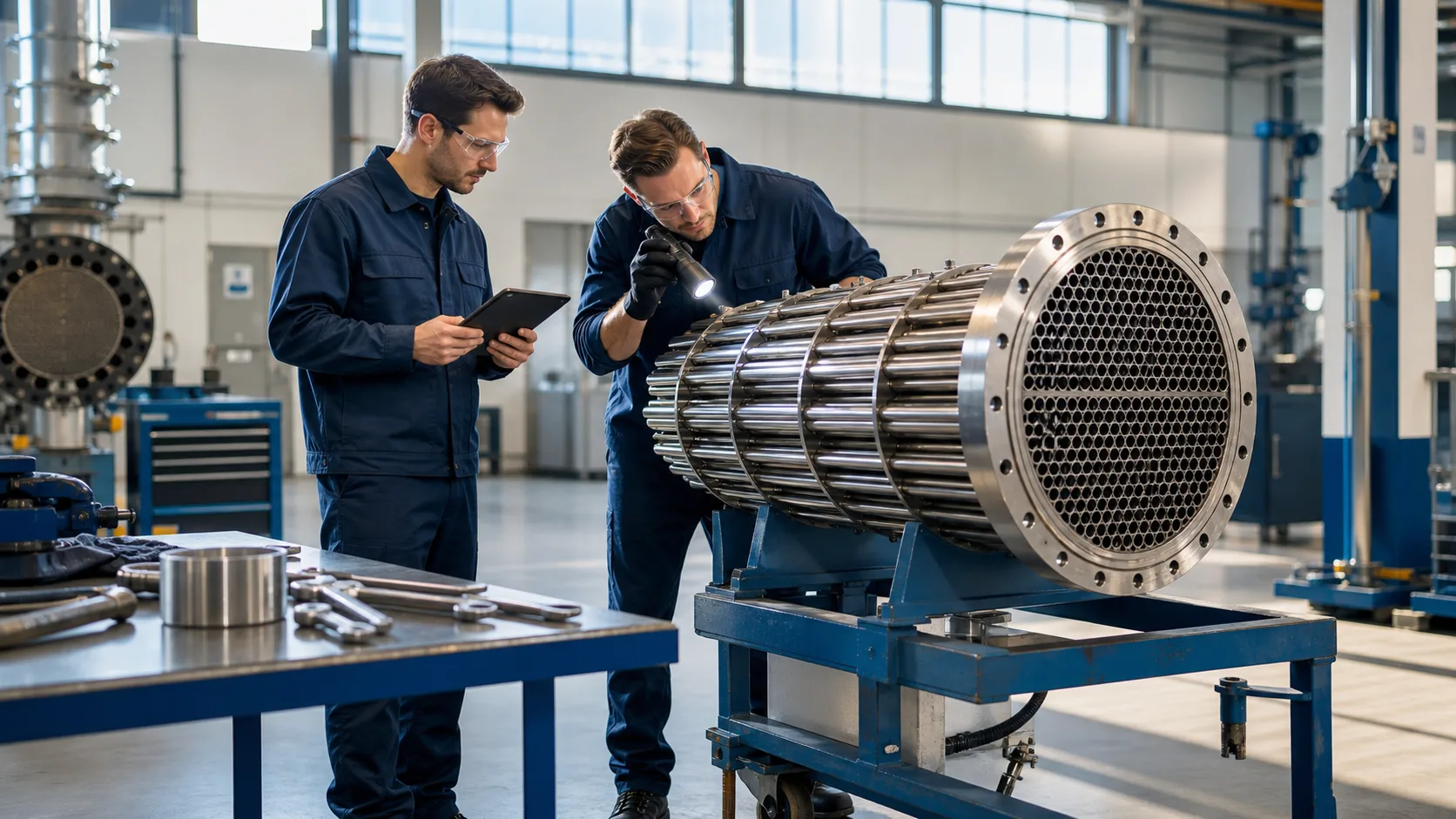
When performance slips, refurbishment can bring the unit back close to as-new condition. Typical steps include plate reconditioning, new gaskets, and careful frame inspection to confirm alignment and support. In some cases, plate or gasket material upgrades help match changed process recipes or cleaning agents.
Experienced service partners can also run integrity tests and leak checks so you know there is a solid barrier between process and utility streams. As standards and internal rules shift, they can help review whether your materials and designs still match current expectations for purity.
It often pays to schedule inspections and refurbishments before peak autumn production. That way you are not taking a key unit out of service when lines are already packed and ambient temperatures start to swing.
Plan Your Next Purity-Focused Heat Exchanger Upgrade
This is a good time to step back and ask a few hard questions. Does your current liquid heat exchanger design really match your purity standards? Are plate materials, gaskets, and internal patterns aligned with your latest products and cleaning cycles? Do your maintenance routines spot problems early, or do you only touch the unit when something goes wrong?
A simple, structured review can help. Map out the process streams where purity matters most, flag any units that have a history of fouling or temperature issues, and list where contamination risk would hurt you the most. Then you can rank exchangers for upgrade, replacement, or refurbishment instead of treating them all the same.
At C.J. Mulanix Co. Inc., we focus on helping plants get more life, more stability, and more confidence from their plate-and-frame heat exchangers. Whether you are planning for late-year demand, adjusting to warmer cooling water, or tightening your purity specs, a careful look at design, materials, and service can keep your high-purity lines running clean and steady.
Get Started With Your Project Today
If you are planning, upgrading, or troubleshooting a liquid heat exchanger, our team at C.J. Mulanix Co. Inc. is ready to help you move from concept to reliable operation. We listen to your process requirements, recommend practical options, and clarify any technical terms so you can make confident decisions. To discuss specifications, timelines, or next steps, contact us and we will work with you to map out a clear path forward.