
Turn Heat Exchanger Gaskets Into a Budget Advantage
Heat exchanger gasket problems have a way of showing up at the worst time, like the first real cold snap in late September when heating loads ramp up. If you are running plate-and-frame units in a plant or large building, those gaskets are not just small rubber parts, they can push your budget and uptime in the right or wrong direction. How you choose between simple repair, full refurbishment, or total replacement can set the tone for your whole heating season.
Many teams fall into habits. Some keep tightening and swapping a few gaskets until leaks become unbearable. Others skip straight to buying a new unit. In both cases, the true return-on-that-choice rarely gets measured. Our focus is helping mechanical contractors and facilities look past guesswork, so gasket decisions support lifecycle cost, risk, and performance, not just the next shutdown window.
When Gasket Problems Cost More Than the Gaskets
Gasket failure is rarely just about drips on the floor. The real pain often shows up in places that do not look like maintenance at first.
Common cost drivers include:
- Unplanned downtime when a leak forces an emergency shutdown
- Emergency service premiums and rushed crew call-outs
- Lost batches in energy, biotech, or food and beverage when temperature control slips
- Comfort complaints in HVAC systems as coils and loads do not get the right water temps
- Higher energy use because fouled or underperforming plates need more pump and boiler input
There are warning signs that gasket issues are starting to snowball, such as:
- Repeat leaks after tightening the frame
- Uneven plate compression or cold spots across the frame
- Frequent make-up water, hinting at hidden losses
- Noticeable drop in heat transfer performance or slow heating response
Heading into fall and early winter, these warnings matter. A small leak in August might be a nuisance. That same leak in October, when your heating system starts working harder, can turn into a real outage. A structured audit before peak heating season gives you a chance to plan work windows, line up parts, and assign crews, instead of reacting when loads spike and options are limited.
Auditing Heat Exchanger Gasket Replacement ROI
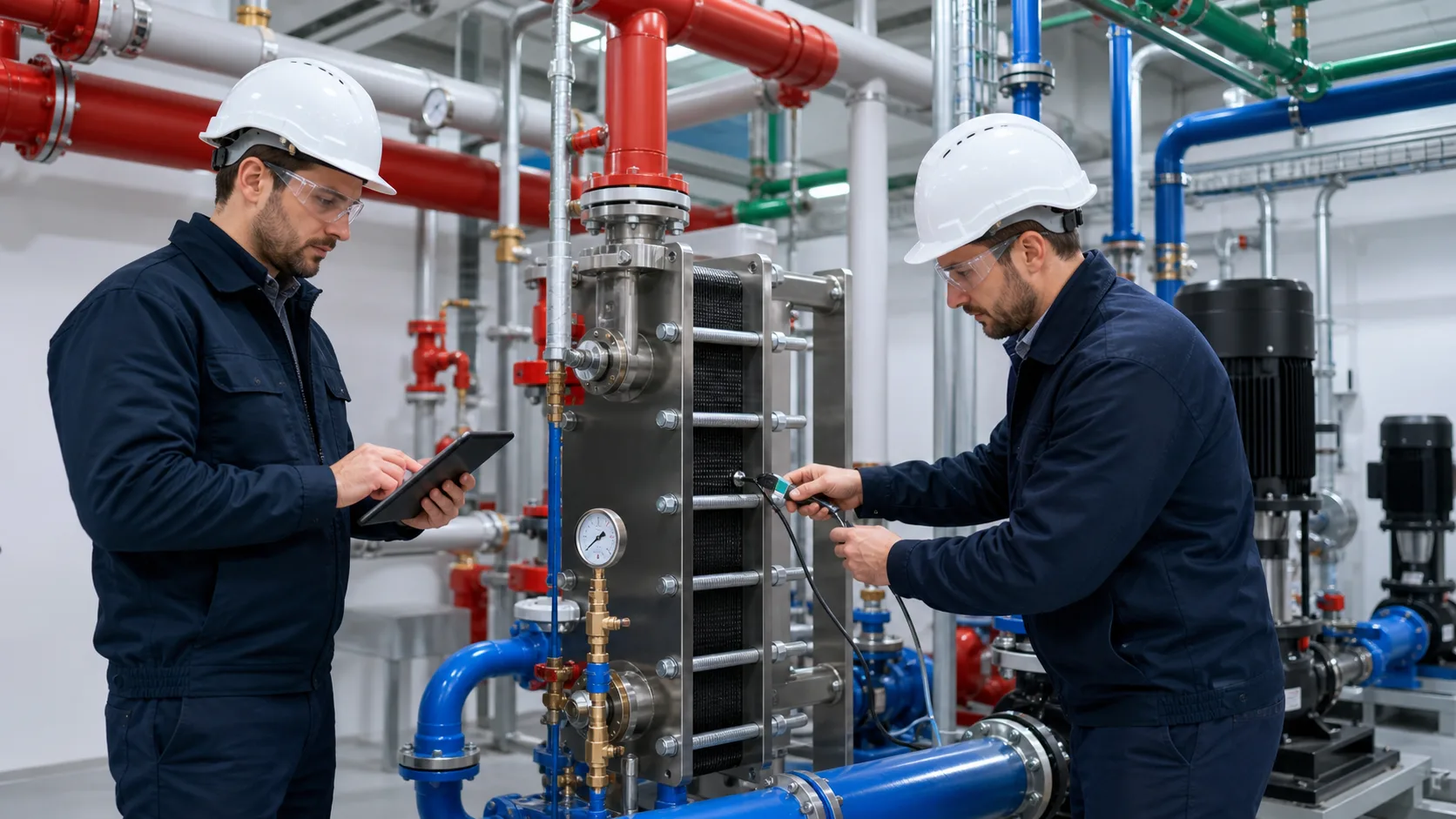
A real heat exchanger gasket replacement audit is more than a quick look at a wet spot. It is a focused review of the unit, its duty, and the risks around it.
A strong audit usually covers:
- Plate condition assessment to check for cracks, thinning, or warping
- Thermal performance benchmarking against expected temperatures
- Operating conditions review, including fluids, temperatures, and cycles
- Spare parts strategy so you are not scrambling for gaskets or plates in the middle of winter
Key decision inputs include:
- System criticality, such as process duty versus comfort cooling or heating
- Operating fluids, from clean utilities to more aggressive process streams
- Plate metallurgy and how it has held up over time
- Leak and fouling history and how often you have already tightened or repaired
- Turnaround windows and whether you have backup capacity
With those pieces, we can help compare options in a simple lifecycle view. Instead of just asking, “Can we change the gaskets?”, we look at, “What happens to ROI if we do only gaskets now, full refurbishment at the next shutdown, or replace the unit?” That kind of side-by-side view helps mechanical contractors and facility teams see payback and risk exposure clearly, not just the next line item in the maintenance plan.
When Simple Gasket Replacement Makes Sense
Sometimes the smart move really is a focused gasket replacement. For newer plate-and-frame units with healthy plates and a clean service history, swapping gaskets can be the best balance of speed and value.
Good fits for gasket-only work include:
- Units with minor leakage in a known area
- Newer frames with no sign of plate damage or distortion
- Non-critical duty where a short planned outage is easy to schedule
- Systems where recent cleaning already restored plate performance
The benefits are clear: lower upfront work scope, shorter downtime, and the ability to knock out repairs in shoulder-season windows before winter loads push your system harder. In places like the Upper Midwest, where outdoor temperatures swing fast, taking care of this work in late September or October can make the difference between a smooth winter and a stressful one.
There are limits though. Gasket-only work does not fully restore thermal efficiency if plates are fouled. There is also a risk of missing hairline plate defects or long-term fatigue if no one inspects the full plate pack. That is why expert gasket and plate selection matters so much. Getting the right material for your fluids and temperatures helps protect your ROI, instead of setting you up to chase leaks again a few months later.
Full Refurbishment vs. Replacement for Aging Units
Once units age or show repeated problems, the choice often shifts from simple repair to either full refurbishment or full replacement. This is where a detailed look at service duty and long-term goals really pays off.
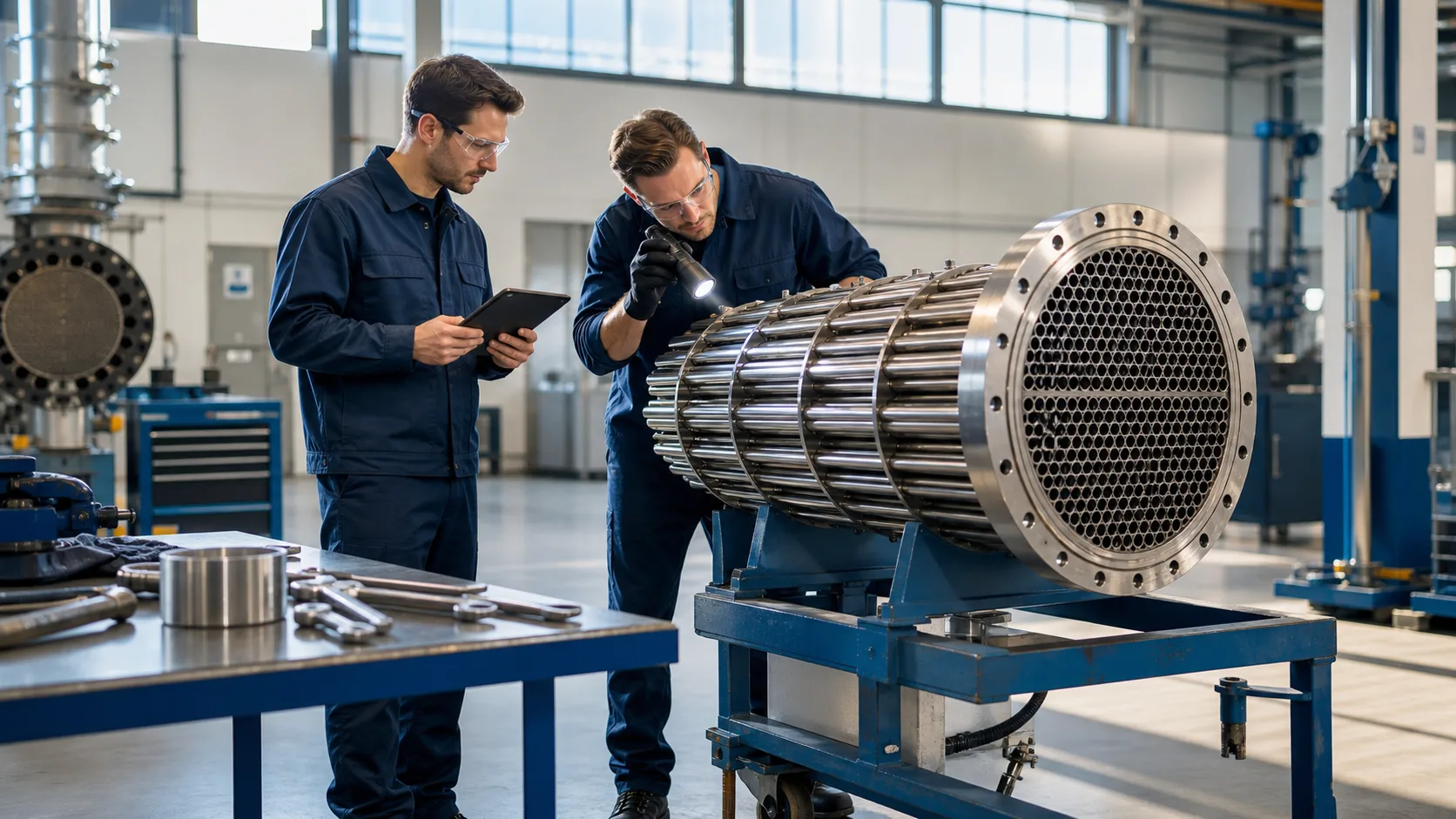
A comprehensive refurbishment typically includes:
- Full teardown and cleaning of the plate pack
- Plate inspection and integrity checks, such as dye penetrant testing when needed
- Re-gasketing with materials matched to your fluids and temperature range
- Frame inspection and reconditioning so tightening and alignment are correct
Done right, refurbishment can restore performance close to like new while working within your existing footprint and piping. Replacement starts to make more sense if you need a different duty range, want design changes, or have frames and plates that no longer match your process or cleanliness needs.
Industry focus points can be different:
- Biotech and food and beverage often lean on higher sanitary expectations and stronger documentation
- Energy and water treatment tend to chase efficiency gains and predictable thermal output
- HVAC systems in large buildings care about reliability and comfort before winter hits, not surprises when the first real cold front moves in
Our role is to help compare refurbishment against replacement from a practical ROI angle. We look at capital limits, lead times for new units, and how each choice fits into your piping, controls, and future plans. From there, you can pick a path that supports both your production and your maintenance budget.
Build a Seasonal Heat Exchanger Strategy Now
Gasket issues do not have to be a headache waiting to explode during peak heating season. They can be a prompt to reset your whole plate-and-frame strategy, improve reliability, and squeeze more performance out of energy and maintenance dollars.
A simple, seasonal plan often looks like this:
- Start with a focused plate-and-frame audit before loads peak
- Rank units by critical service and energy impact
- Decide which units get gasket-only work, which get full refurbishment, and which are candidates for future replacement
- Map that work over the next 12 to 24 months, timed around your known shutdowns
At C.J. Mulanix Co. Inc., we focus on engineered recommendations, careful gasket and plate selection, and plate-and-frame services that aim for real ROI, not just quick fixes. When mechanical contractors, facility managers, and plant engineers bring us in early, together we can turn gasket replacement choices into a planned, long-term advantage instead of a last-minute scramble every heating season.
Get Started With Your Project Today
If you are planning a heat exchanger gasket replacement, our team at C.J. Mulanix Co. Inc. is ready to help you choose the right solution and minimize downtime. We work with you to understand your equipment, operating conditions, and performance goals so your system runs reliably. Reach out to our specialists with your application details and we will recommend the best path forward. To discuss your project or request a quote, contact us today.