
Stop Losing BTUs Before Heating Season Starts
Poor temperature difference between supply and return water does more than annoy the controls team. It quietly eats boiler efficiency, wastes fuel, and shows up as cold rooms and drifting process temps just when the weather turns cold. Before the heating season ramps up, a hot water loop with low delta T is already behind.
Hot water loops sit at the heart of hydronic heating, process heating, and domestic hot water. In plants, hospitals, data centers, and big commercial buildings, plate-and-frame heat exchangers and shell and tube heat exchangers are often the core of those loops. They only hit their design duty when flow, delta T, and control are all working together.
Many problems that look like “bad design” are actually control and commissioning issues. The good news is that a lot of them can be diagnosed in the field without replacing big equipment. In this article, we will walk through how to spot common loop issues like bypassing, fouled strainers, air binding, and bad sensor placement, and how to verify performance with simple field measurements you can trust.
Recognizing the Symptoms of a Struggling Hot Water Loop
A loop that is fighting you will usually tell a story if you watch it for a bit. Some of the clearest red flags are:
- Low delta T between supply and return when there is a strong call for heat
- Boilers or heat exchangers running near full output but still not hitting setpoints
- Control valves hunting or pumps cycling more than they should
You might also see end-of-the-line coils or zones that never quite heat up while areas near the plant are okay. In process loads, you can see bath or tank temperatures drift out of spec, even though the heat source looks busy. The plant looks active, but the BTUs are not getting to the load.
This hurts energy use and reliability at the same time. When delta T is poor, many teams try to fix comfort by pushing more flow. That can:
- Increase pump power and strain mechanical seals
- Reduce boiler efficiency by sending back water that is too warm
- Lower effectiveness in plate-and-frame units and shell and tube heat exchangers
These problems like to show up as seasons change, when outdoor air is up and down and loads are only partial. Early in the heating season is a great window to check loop behavior, write down a baseline, and correct issues before deep winter really tests the system.
Common Control and Commissioning Pitfalls That Kill Delta T
One of the biggest delta T killers is bypassing or bad valve sequencing. If a three-way valve is misapplied, piped wrong, or fails in the wrong position, it can let hot supply water mix right back into the return. A manual bypass left cracked open “just in case” can do the same thing. Symptoms include:
- Warm return temperatures even at low load
- High total flow that still does not fix cold zones
- Heat exchangers that never reach their expected approach temperature
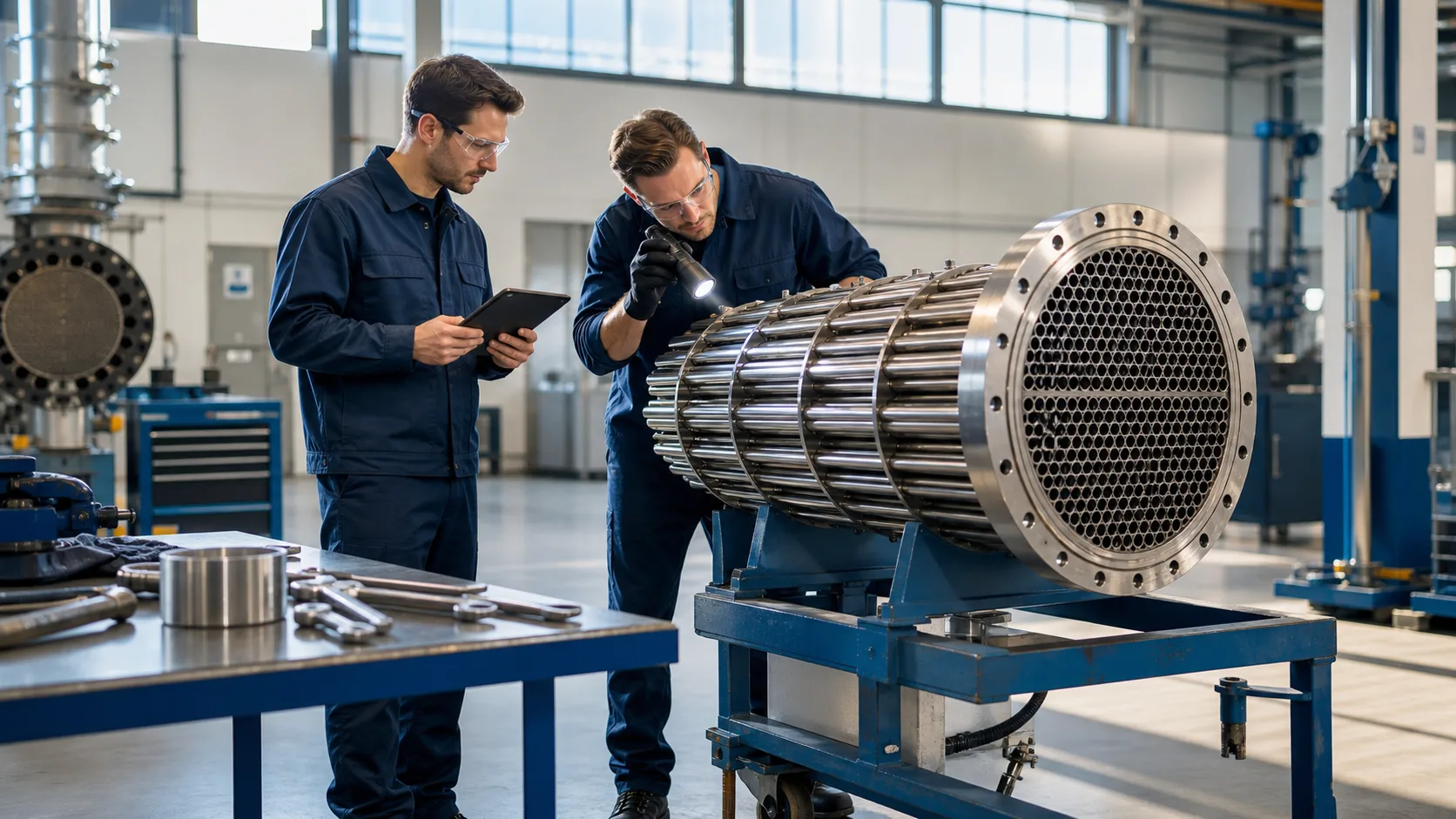
Fouled strainers and partially closed valves are quieter but just as damaging. A strainer that was clean at startup can slowly plug with debris. An isolation valve that was only meant to be throttled during balancing can get left half closed. The extra pressure drop can starve downstream coils and heat exchangers of flow. On plate-and-frame units or shell and tube heat exchangers, that can mean uneven temperature profiles and more fouling on certain passes.
Pump and head selection also plays a big role. Many older systems are over-pumped. Too much flow shrinks delta T, makes control valves noisy and hard to modulate, and pushes equipment out of its intended envelope. Undersized or misapplied pumps cannot move design flow to far branches, so those loads never see enough hot water. When variable frequency drives and differential pressure control are added during recommissioning, they can often tame an oversized pump and give the system some flexibility.
Hidden Hydraulic Issues: Air, Piping, and Sensors
Air binding is one of those problems that can drive everyone crazy. Trapped air in high points, coils, or heat exchangers cuts off effective heat transfer area and creates noisy, unreliable operation. Field clues include:
- Gurgling or rushing sounds in risers or coils
- Hot supply into a coil but very little heat coming out
- Branches that always seem to need bleeding
Piping layout mistakes can hide for years. Missing check valves can let water sneak backward when certain pumps shut off. Poorly placed balance valves can pull flow away from priority loads. Mis-piped primary and secondary connections can let hot and warm water mix in the wrong spots, which flattens delta T and confuses controls. For both plate-and-frame and shell and tube heat exchangers, this can cause strange temperature crossovers and unstable outlet temperatures.
Sensor and control device placement is another common trap. If a temperature sensor sits right after a tee or elbow, the reading can swing around as flow patterns change. A sensor mounted too close to a heat exchanger outlet may see very local conditions, not the blended loop temperature. Good practice is to:
- Place temperature sensors where water is well mixed
- Give sensors enough straight pipe on both sides
- Insulate sensor wells and nearby piping so drafts do not fool readings
When sensors are wrong or drifty, the building automation system will chase bad data and valves, and pumps will keep hunting.
Verifying Heat Exchanger and Loop Performance with Field Measurements
Field measurements do not have to be fancy to be useful. The key is knowing what to measure and where. The core values for most hot water loops are:
- Supply and return water temperatures
- Differential pressure across pumps and heat exchangers
- Flow rates, if you have meters or can infer from pump curves
- Control valve and pump speed positions
Around plate-and-frame units and shell and tube heat exchangers, it helps to have temperature taps on all four nozzles and pressure taps on both sides. That lets you compare actual approach temperatures and pressure drop to design data.
With flow and delta T, you can estimate delivered Btuh and see if you are close to the expected duty. Even when you do not know exact design numbers, trending data in the BAS is powerful. Watch how delta T and valve positions change as outdoor air swings and loads rise and fall. A healthy loop tends to move smoothly. One with control or hydraulic trouble shows sharp swings and chronic low delta T.
You can also run simple field tests to separate design limits from correctable issues. For example, slowly adjust a pump speed while watching delta T and valve positions. Close a bypass temporarily while monitoring temperatures. Sweep a control valve through its range under supervision. These checks often point clearly to low flow, fouling, or bad controls long before any major equipment change should be on the table.
Maintenance and Refurbishment Strategies to Lock in Performance
Once you get a loop behaving, the next goal is to keep it there. Good preventive maintenance is less about long checklists and more about consistent habits before and during heating season. High-impact tasks include:
- Regular strainer inspection and cleaning
- Verifying isolation valves are fully open where they should be
- Checking control valve actuators for smooth travel
- Spot checking key sensors with a reference thermometer
Heat exchangers themselves need attention too. Plate-and-frame units benefit from regular inspection and cleaning so fouling does not quietly eat away at capacity. Re-gasketing or plate replacement can restore thermal performance and extend life. For shell and tube heat exchangers, cleaning and, when needed, retubing help keep approach temperatures tight and pressure drop reasonable.
A simple commissioning baseline goes a long way. At the start of each heating season, record typical flows where known, delta T across main loops and heat exchangers, and typical valve and pump positions at a few common load points. Store that record in a spot the whole team can find. When something starts to drift, you have a real comparison, not just memories.
Turning field diagnostics into reliable winter performance is mostly about discipline and clear eyes. When we treat control and commissioning issues as real mechanical problems, not just “quirks,” hot water loops run steadier, heat exchangers live longer, and buildings stay more comfortable through cold weather. At C.J. Mulanix Co. Inc., we see every day how well-commissioned plate-and-frame and shell and tube heat exchangers can support that kind of dependable operation across demanding industrial and commercial sites.
Get Started With Your Project Today
If you are planning, upgrading, or troubleshooting shell and tube heat exchangers, we are ready to help you move from concept to reliable operation. At C.J. Mulanix Co. Inc., we work with you to clarify requirements, address constraints, and recommend practical solutions that fit your process. Share the details of your application and we will respond with straightforward guidance and next steps. To discuss your project directly with our team, contact us today.