Hygienic heat transfer is no longer just a box to check. For food and beverage, dairy, biotech, and pharmaceutical plants, it is now a real way to protect product, keep audits calm, and stay ahead of tough rules. Industrial heat exchangers sit right in the middle of that picture, touching your product or the utilities that support it all day, every day.
In this article, we talk through what hygienic really means for plate-and-frame industrial heat exchangers, why old habits are not enough anymore, and how smarter engineering and service can turn a risk point into a strength, especially as colder weather shifts loads, steam demand, and production schedules.
Turning Hygienic Heat Transfer Into a Competitive Edge
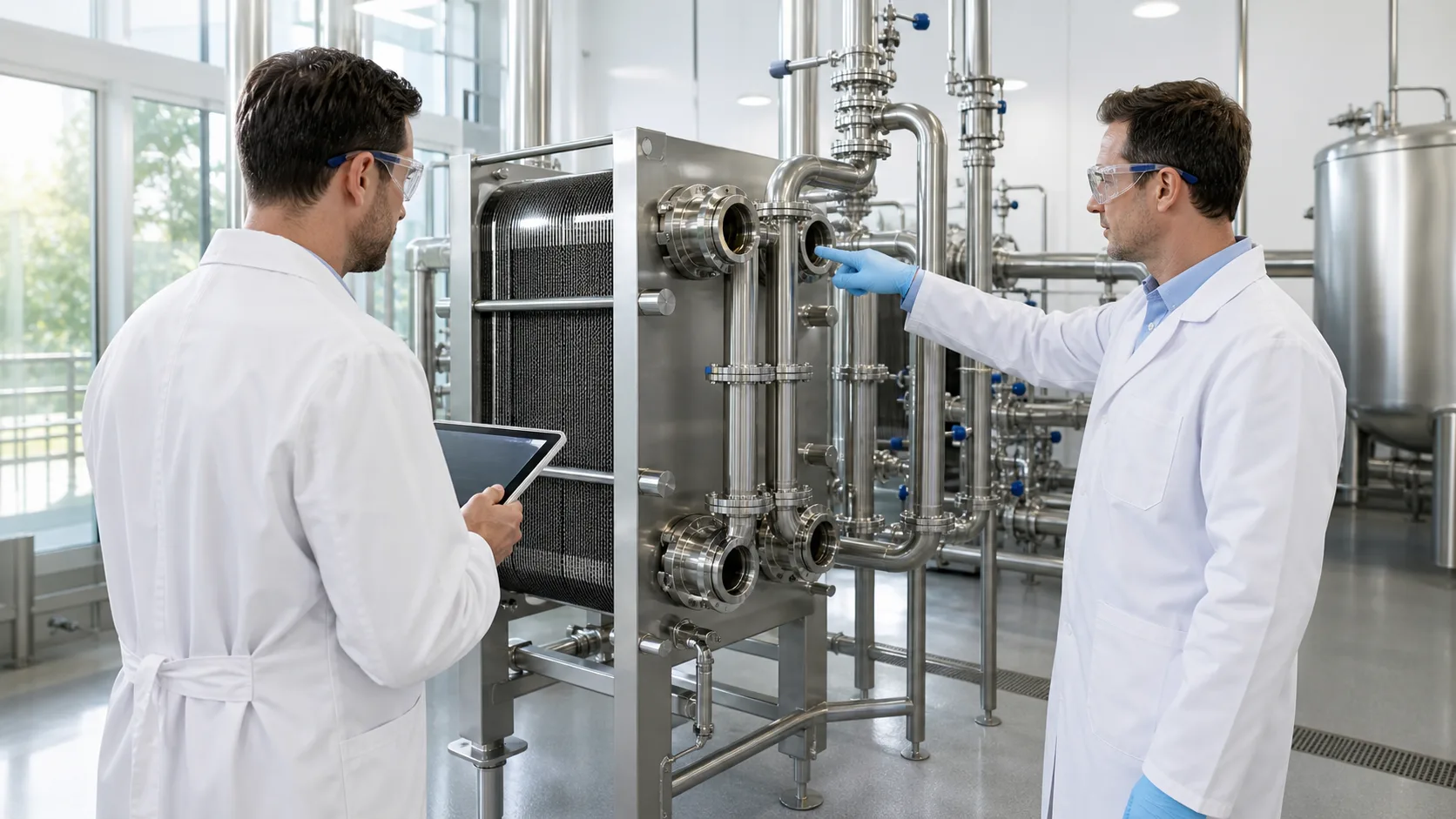
When people hear the word hygienic, they often think of shiny stainless steel and a few extra CIP cycles. For heat exchangers, it is a lot deeper than that. Hygienic means lower risk of contamination, easier cleaning, and clear support for regulatory and internal quality rules.
For plate-and-frame units used in regulated processes, that comes down to three big ideas:
- Contamination risk: how easy it is for product, microbes, or allergens to hide or linger
- Cleanability: how fully and how repeatably the system washes, rinses, and drains
- Compliance: how well design and documentation line up with your regulatory playbook
Traditional designs and “run it until it leaks” maintenance are being pushed hard by new expectations around safety and sustainability. As fall turns to winter and heating loads climb, heat exchangers see longer runs, higher duty, and tighter changeover windows. That is when any weakness in hygienic design shows up fast.
Why Hygienic Standards Are Reshaping Process Design
Regulated industries work under a mix of rules and guidance from groups like FDA, USDA, 3-A, and cGMP frameworks. These do not just look at your final product, they look at every surface that touches product or critical utilities like hot water, clean steam, or glycol.
Stricter hygienic expectations are changing how teams think about industrial heat exchangers:
- Equipment is viewed as a potential hazard that must be addressed in HACCP and risk assessments
- Documentation, traceability, and change control are expected for plates, gaskets, and cleanability claims
- Validation and periodic verification are now routine, not “nice to have”
At the same time, there is growing focus on biofilm, cross-contamination, and allergen carryover inside plate packs. During seasonal production spikes, such as heavy dairy or beverage runs in fall and winter, short cleaning windows can increase that risk. That is driving a shift toward heat exchanger designs that are easier to validate, easier to inspect, and easier to keep under control.
Where Traditional Industrial Heat Exchangers Fall Short
Many plants are still running older heat exchangers that were sold as “clean” at the time but were not really built with modern hygienic thinking in mind. The trouble often starts in the basic geometry.
Common problem areas include:
- Dead legs around ports or connections that never see real flow
- Crevices and tight corners in gaskets that trap product or cleaning solution
- Plate patterns that leave low-velocity zones where soil can stick and harden
Outdated plate designs, materials, and gasket choices can all add up to more fouling and longer CIP cycles. For example, a plate pattern that was fine for clear fluids may struggle with protein-rich or particulate-laden media, leading to sticky build-up. A gasket material that swells or hardens can crack, pinch, or create tiny pockets that are hard to clean and easy for microbes to use.
The real-world impact is felt in:
- More unplanned downtime and emergency teardowns
- Product loss during cleanups and restarts
- Higher chemical and water use to get plates back in shape
- Extra stress any time an audit or inspection lines up with peak season
Engineering Plate-and-Frame Systems for Hygienic Duty
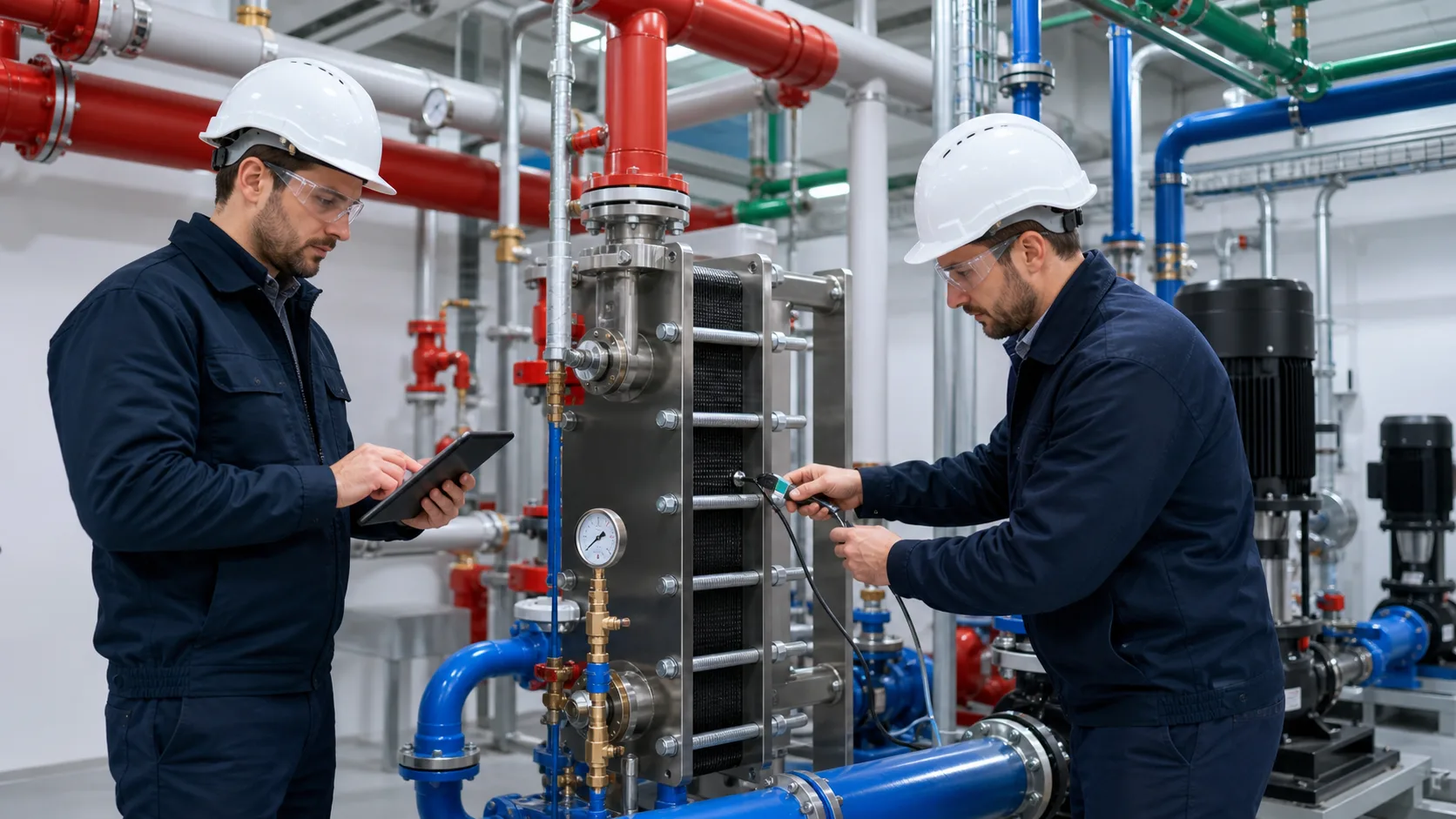
Modern plate-and-frame heat exchangers can be built from the ground up with hygiene in mind. At C.J. Mulanix Co. Inc., we see this every day in how plate geometry, gasket design, and frame details work together.
Smart engineering choices include:
- Plate patterns that keep flow uniform and turbulent enough to limit fouling while avoiding damage to shear-sensitive products
- Gasket grooves that are smooth, open, and easy to clean instead of tight dirt traps
- Frames that allow full plate pack access so plates can be inspected and serviced properly
Correct thermal sizing and turbulence control matter just as much as surface finish. Under-sizing a unit or pushing it too hard can push product into sticky temperature zones where proteins burn on or sugars caramelize. Oversizing it can drop velocities and encourage deposits.
Material and finish decisions should match the duty. For regulated hygienic processes, that often means:
- Stainless steels with appropriate corrosion resistance for your media and CIP chemistry
- Surface finishes that balance cleanability with mechanical durability
- Gasket selections tuned to temperature swings, chemicals, and seasonal production shifts
In colder climates, like here in the Midwest, winter brings wide swings in utility temperatures and longer heating seasons, so those choices matter even more.
Optimizing Cleanability, CIP, and Lifecycle Costs
A heat exchanger that cleans fast and well is not just safer, it is easier to live with across its whole life. CIP-centric design focuses on how fluids move during cleaning, not only during production.
Key design practices include:
- Good flow distribution so all plates see similar velocities during CIP
- True drainability so product, cleaning chemicals, and rinse water do not pool
- Plate patterns that shed soil and do not hold pockets of air or liquid
When you compare “lowest-bid” units to well-engineered hygienic systems, the difference often shows up over time, not on day one. Systems built with cleanability in mind usually:
- Use less water and chemistry per cycle
- Require fewer manual interventions and teardowns
- Run more consistent CIP times and results
Accurate performance data, clear documentation, and traceability support validation and seasonal changeovers. Knowing exactly what plates and gaskets are in the frame, what they are made of, and how they perform under CIP makes quality and maintenance planning much easier.
Extending Hygienic Performance Through Service and Upgrades
Even the best engineered heat exchanger will slip out of hygienic shape if it is ignored. Gaskets age, plates fatigue, and fouling patterns change as recipes, utilities, and schedules shift.
A proactive service approach usually includes:
- Planned gasket replacement programs based on real operating conditions
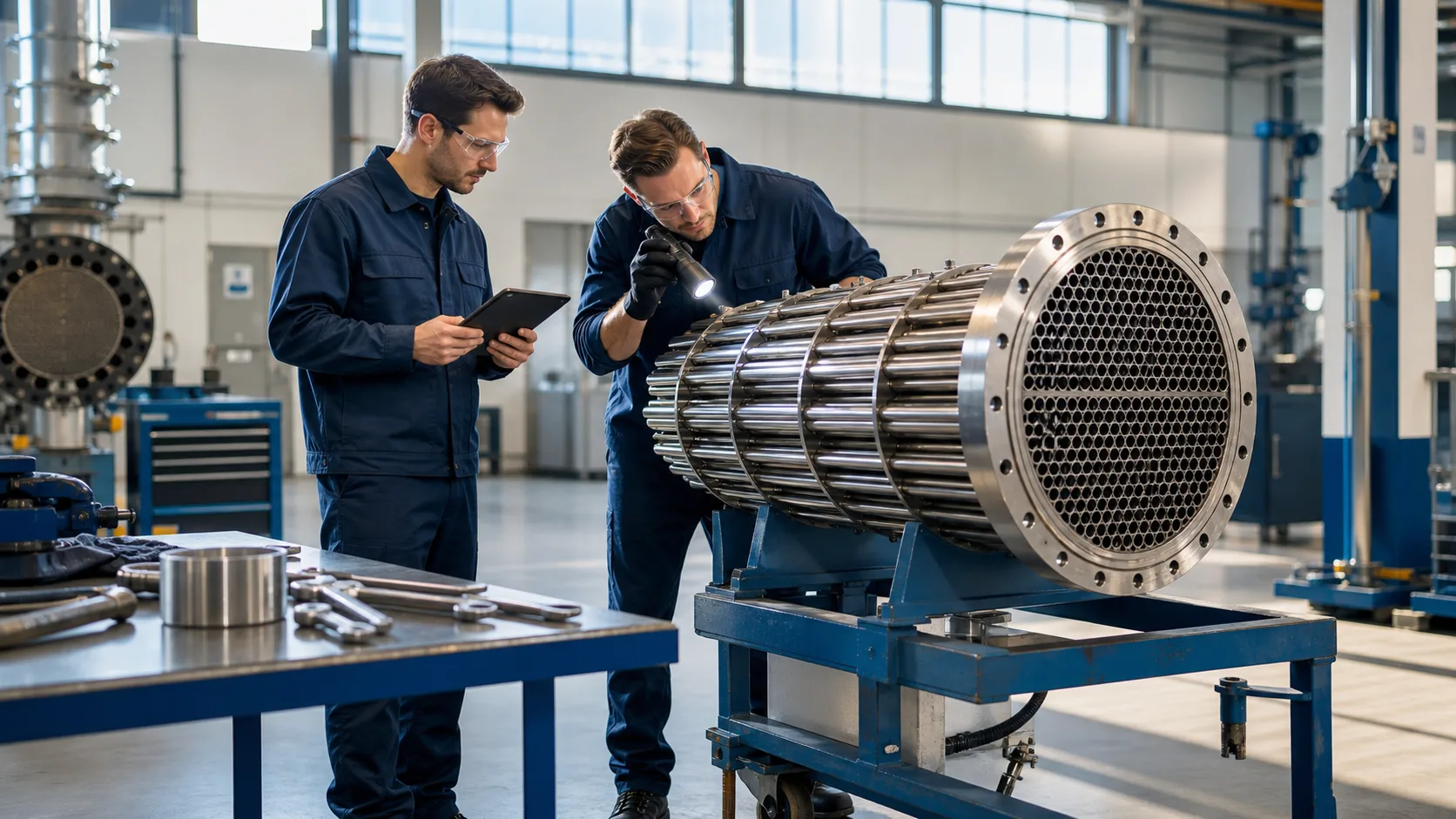
- Periodic plate integrity checks to catch cracks, pinholes, or deformation
- Regular reviews of CIP results, fouling trends, and cleaning times
OEM and engineered aftermarket plates and gaskets can often give new life to older frames. With the right match, legacy industrial heat exchangers can be updated to closer-to-current hygienic expectations without full replacement. Changes in plate pattern, plate thickness, or gasket chemistry can tighten up cleanability, improve thermal performance, and reduce fouling risk.
Remote support, failure analysis, and seasonal readiness checks are also becoming more common. Before winter production ramps, many plants now review their heat exchangers for leaks, fouling, and gasket condition so they are not troubleshooting during their busiest runs.
Turn Your Heat Exchangers Into Hygienic Powerhouses
Rethinking how you select, design, and support plate-and-frame industrial heat exchangers can turn them from quiet problem spots into quiet strengths for your process. When hygiene, cleanability, and documentation are built into the system, it is easier for production, maintenance, and quality to pull in the same direction.
At C.J. Mulanix Co. Inc., we focus on engineering and supporting plate-and-frame heat exchangers for mission-critical, regulated duties. When operations, maintenance, and quality teams come together around these units, they often find clear opportunities: cleaner internal surfaces, faster CIP, better documentation, and smarter upgrade paths. Over time, that kind of thinking turns industrial heat exchangers into true hygienic powerhouses that support both seasonal demands and long-term performance goals.
Get Started With Your Project Today
If you are evaluating or upgrading industrial heat exchangers, we can help you choose solutions that match your process, budget, and performance goals. At C.J. Mulanix Co. Inc., our team works closely with you to understand your operating conditions and recommend reliable equipment that fits your application. Reach out today so we can review your specifications, answer technical questions, and support your next project from concept to installation. To begin the conversation, simply contact us.