Protect Uptime by Timing Gasket Work Right
Heat exchanger gasket failure rarely shows up at a convenient time. It usually appears when loads are high, people are busy, and you have no room in the schedule. For mission-critical facilities like data centers, hospitals, process plants, and large campuses, that can mean real trouble. A leaking or underperforming plate-and-frame heat exchanger can quickly threaten uptime, comfort, and safety.
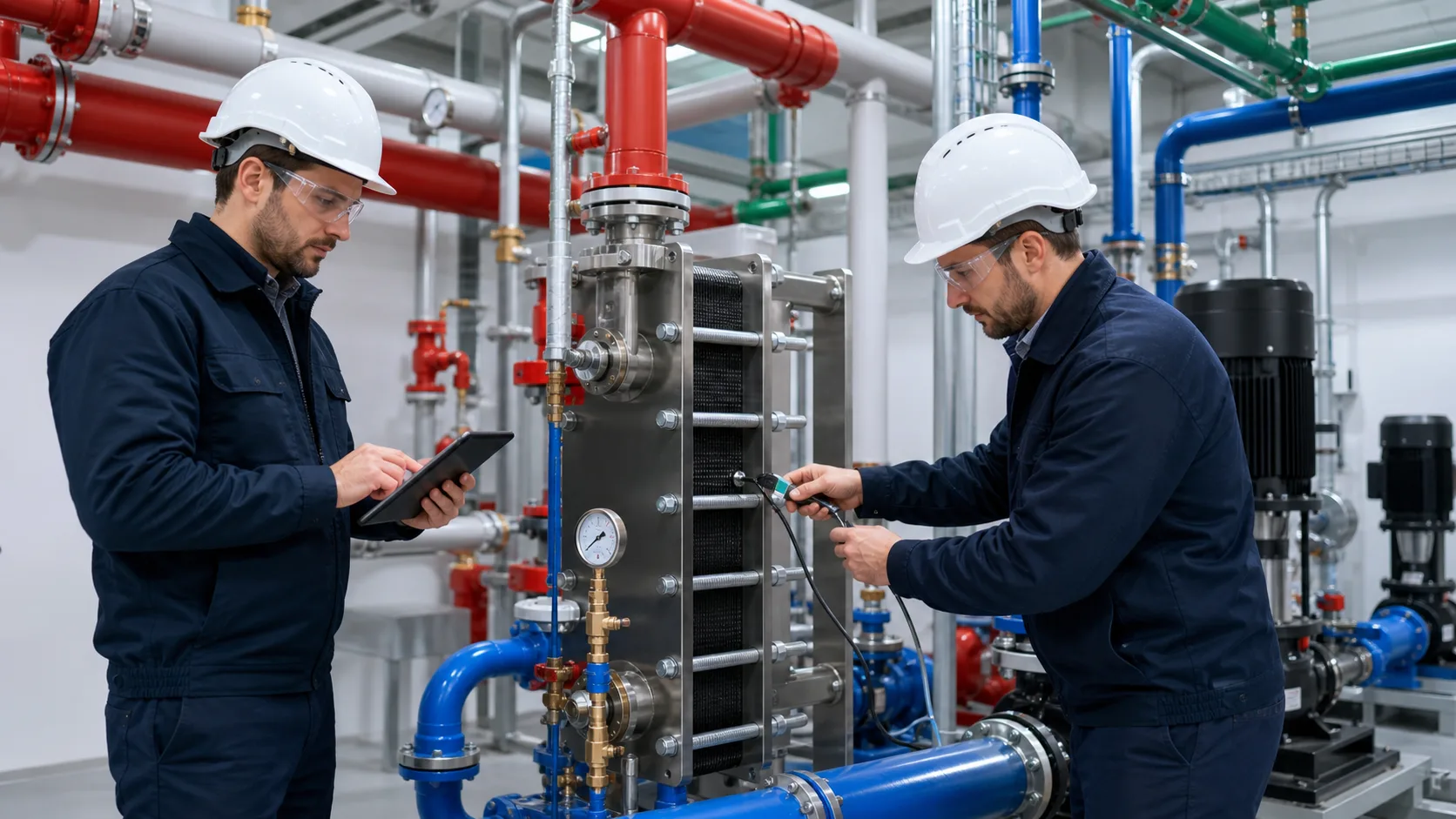
These units depend on tight, clean gaskets to keep hot and cold fluids separated, hold pressure, and deliver the right heat transfer. When gaskets start to fail, you do not just get a drip on the floor. You can see lost capacity, higher energy use, and possible issues with regulations or internal standards. Planning heat exchanger gasket replacement around scheduled shutdowns or seasonal changes turns that risk into a controlled project. Late summer into early fall is one of the best times to do this, as many facilities in cooler climates are getting ready for winter heating loads and annual outages.
Why Gasket Replacement Fails When It’s Left to Chance
When gasket work is left to chance, it usually turns into a rush job. Plate-and-frame gaskets wear out in a few common ways. Over time they harden and lose flexibility. Chemicals in the process or cleaning fluids can attack the rubber. Constant heating and cooling cycles make them crack, and opening and closing the frame can pinch or tear them.
Before a full failure, most systems send quiet warnings, such as the following:
- Rising approach temperatures across the exchanger
- Pumps working harder to deliver the same loads
- Small but repeat leaks at the same nozzle or corner
- More frequent frame retightening to hold pressure
- Thermal performance that does not match design or past records
If those signs are ignored, the next step is often an unplanned shutdown and emergency gasket replacement. During a crisis, work tends to be rushed. You may not have fast access to OEM-quality plates and gaskets. There might not be enough time to inspect every plate, check the frame, or verify tightening dimensions. Gasket work now competes with other emergency tasks, and staff get stretched thin.
The hidden costs add up fast. Unplanned downtime lasts longer than expected. Labor may be performed off-hours or on an emergency basis. Production or building services are interrupted. Inspection or compliance windows may be missed because everyone is busy putting out fires. All of this comes from gasket work that could have been handled calmly during a planned shutdown.
Aligning Gasket Work with Your Annual Shutdown Strategy
A better way is to treat heat exchanger gasket replacement as a standard part of your shutdown plan. Many facilities schedule outages in early fall or late spring, when loads are lighter. Those windows are perfect for opening critical heat exchangers and doing the work on your terms.
A simple approach is:
- List all plate-and-frame heat exchangers in your plant
- Flag units that serve life safety, critical process, or seasonal heating and cooling
- Rank them by risk and impact if they fail mid-season
- Assign realistic time blocks for opening, cleaning, re-gasketing, and testing
From there, work backward from your planned outage date. Long before shutdown, you can confirm the right plates and gaskets, line up field service support, arrange any lifting equipment, and plan for isolation of piping and utilities. When gasket work is part of the master shutdown schedule, it is easier to coordinate with other big jobs like chillers, boilers, cooling towers, and controls work. That means fewer surprises and less total downtime.
Building a Data-Driven Gasket Replacement Schedule
To move away from “run it until it leaks,” you need data. Every heat exchanger in your plant lives a slightly different life. Some see higher temperatures, more chemical exposure, or frequent cycling. Others run in steady conditions for long stretches. A one-size-fits-all gasket interval does not respect those differences.
We suggest tracking:
- Run hours or operating seasons for each unit
- Typical and peak temperatures and pressures
- Chemical exposure from the process or cleaning
- History of leaks, retightening, and cleaning cycles
Maintenance records are powerful here. If one unit always needs retorque before winter, that is a clue. If another showed plate fouling and early leaks after certain process changes, that should guide your plan. Over time, these notes help you forecast gasket life so you can rebuild key units before major demand spikes.
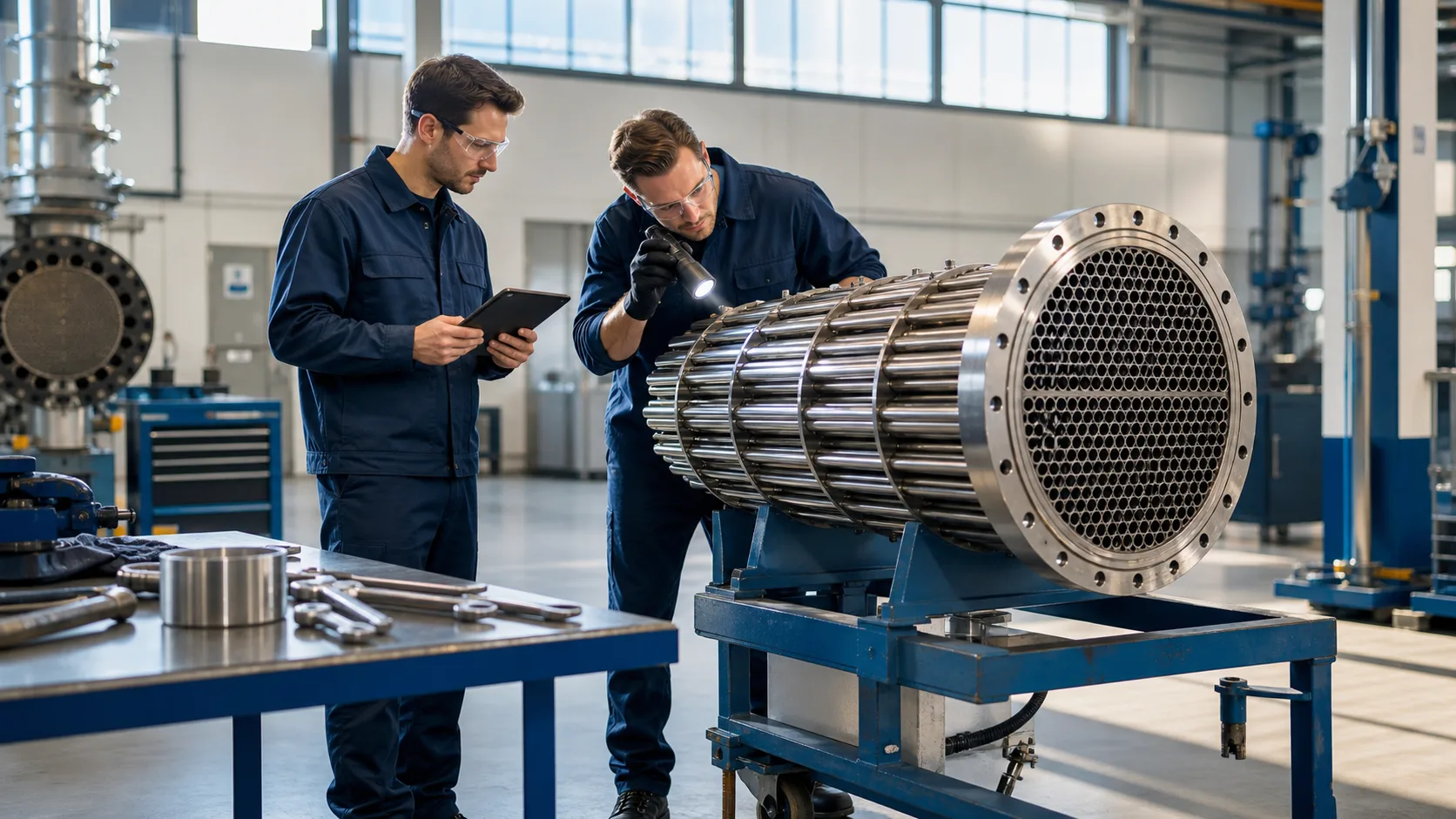
Standardized inspections during every outage tighten the loop. That may include visual checks of plates, simple non-destructive tests, basic measurements of gasket compression set, and careful notes on frame opening and closing dimensions. When you work with a heat exchanger specialist, you can turn these details into asset-specific gasket replacement intervals, tailored to how each unit in your plant actually runs.
Executing Low-Risk Gasket Replacement During Shutdowns
Once shutdown is on the calendar and parts are lined up, the focus shifts to doing the gasket work in a safe, low-risk way. A typical best practice sequence looks like this: detailed pre-job planning, safety and lockout/tagout steps, slow and even frame opening, careful plate removal and cleaning, gasket removal and installation, then controlled reassembly and pressure testing.
There are a few common traps to watch out for:
- Mixing plate packs or plate counts between different units
- Reusing old or questionable gaskets to “save time”
- Over-tightening the frame beyond design dimensions
- Skipping plate flatness checks and basic non-destructive tests
- Failing to record final tightening settings, measurements, and serials
Using OEM or equivalent-quality aftermarket plates and gaskets from a trusted source helps keep thermal performance and mechanical fit where they should be. It also supports long life and lowers the chance of early leakage or cross-contamination. Experienced field service teams, who work on plate-and-frame heat exchangers every day, can move through this sequence faster and with more confidence. That can shrink the outage window and help you bring systems back online before cooling or heating demand ramps back up.
Partnering with Experts to De-Risk Your Next Shutdown
As summer starts to fade and you look ahead to colder weather, it is a smart time to review your shutdown plans. Many facilities in our region use the stretch after Labor Day to shift from cooling season to heating season, and to tackle big maintenance projects. Heat exchanger gasket replacement fits naturally into that window, especially for units tied to boilers, heat recovery systems, and critical HVAC loads.
Working with a specialist early in the planning cycle helps reduce last-minute surprises. At C.J. Mulanix Co. Inc., we focus on plate-and-frame heat exchangers, so we can support gasket selection, plate condition checks, and field service planning ahead of your outage. A structured review can also help you build a multi-year roadmap for gasket work across your fleet, instead of waiting for small problems to become big ones. When heat exchanger gasket replacement is carefully aligned with planned shutdowns, your facility gains higher uptime, better compliance, and a more predictable maintenance rhythm season after season.
Get Started With Your Project Today
If you are planning a heat exchanger gasket replacement, we can help you understand your options and keep your equipment running reliably. At C.J. Mulanix Co. Inc., our team will review your system, discuss timelines, and recommend a solution tailored to your operating conditions. Share the details of your project and let us provide clear next steps that fit your maintenance schedule. To schedule a consultation or ask a question, please contact us.