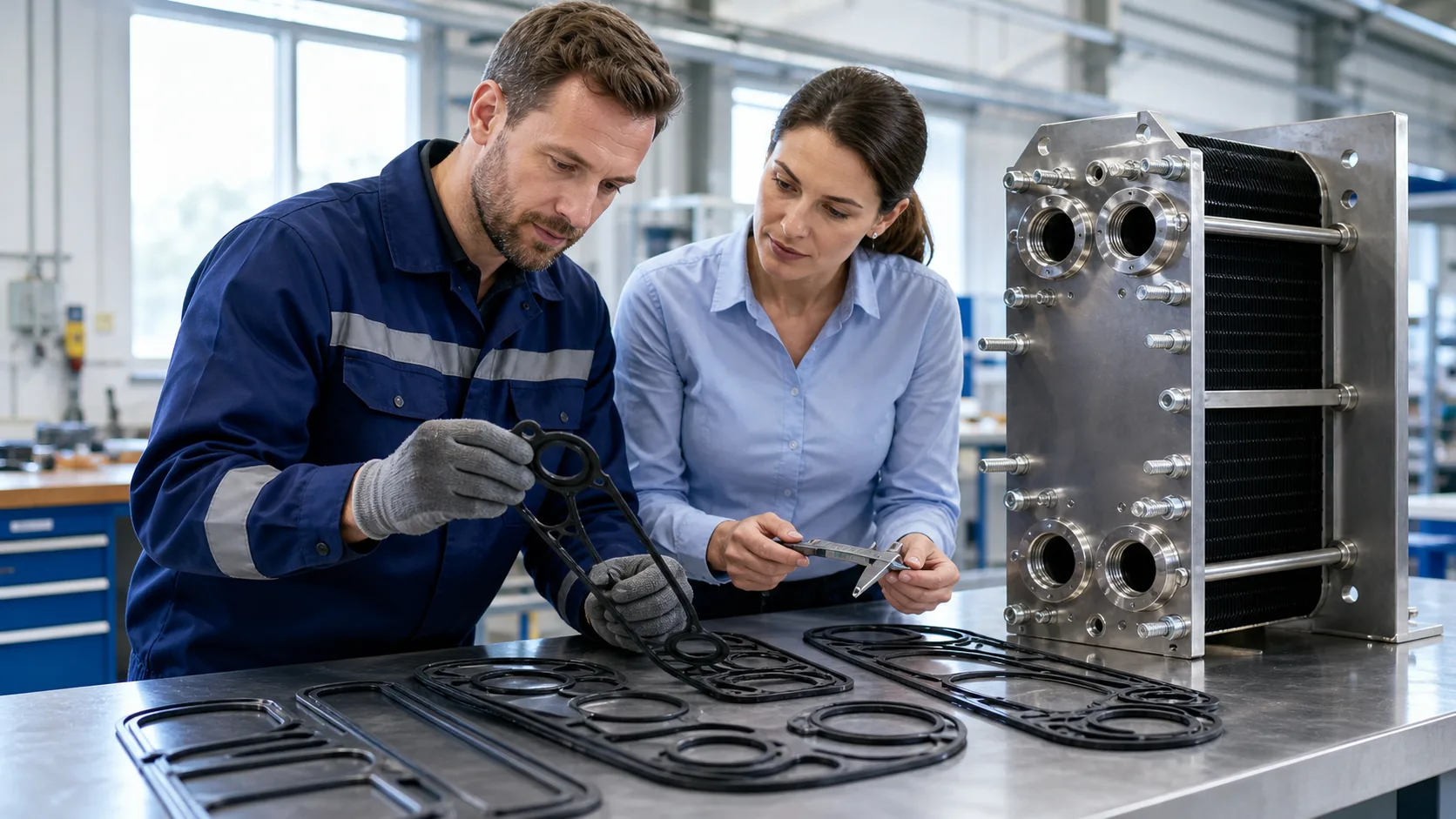
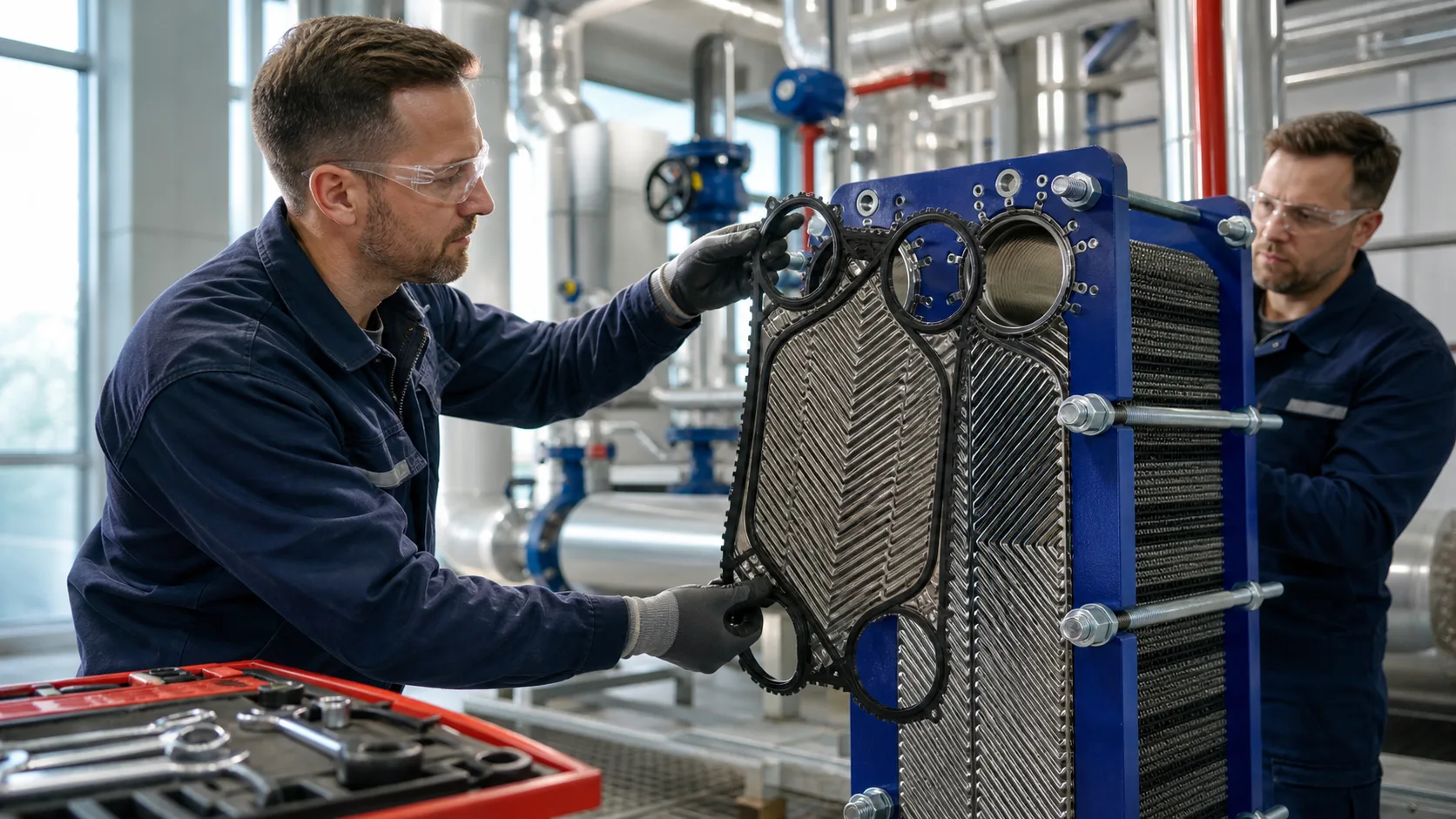
When high-temperature hot water season hits, weak gaskets show up fast. Plate-and-frame heat exchangers have to run hard to keep buildings comfortable and hot water steady, and tired gaskets are often the first thing to fail. Choosing the right heat exchanger gaskets before the cold weather really sets in can prevent leaks, surprise shutdowns, and long nights on site.
In this article, we will walk through how hot water conditions stress gaskets, which materials actually hold up, and what details around design, fit, and installation make the difference. We will also talk about OEM and aftermarket options, and why planning gasket replacements ahead of winter keeps mechanical contractors and facility teams a lot less stressed.
Protecting Hot Water Performance Before Winter Hits
As boilers and high-temperature hot water loops get ready for peak heating season, gasket choice stops being a quiet background detail. Those small strips of elastomer are what stand between you and a short night turned into a leak call.
In many hydronic and domestic hot water systems, plate-and-frame heat exchangers handle jobs like:
- Separating boiler water from building loops
- Isolating HTHW from lower temperature zones
- Serving domestic hot water preheat or final temperature control
In each of these spots, gaskets sit between the plates and keep fluids where they belong. Good gaskets help:
- Maintain reliable sealing at high temperature and pressure
- Protect heat transfer by holding plate spacing and pattern
- Support safety by avoiding cross-contamination and hot fluid leaks
When heating demand is at its peak, units run hotter, pressures stay up, and cycling increases. If gasket material, fit, or compression are not right for that duty, the risk of unplanned downtime, leaks, and energy waste goes way up.
How High-Temperature Hot Water Stresses Gaskets
High-temperature hot water is not gentle on elastomers. Once you get near and above the 250°F range, gaskets have to handle:
- Elevated pressures in tight plate gaps
- Frequent starts and stops as loads change
- Thermal expansion as plates heat and cool
All of this speeds up gasket wear. Heat can cause gaskets to harden and lose elasticity. Over time, that leads to:
- Loss of compression, so the seal relaxes and begins to weep
- Creep, where the gasket slowly flows out of the groove under load
- Chemical degradation if the elastomer does not match the water chemistry
- Thermal fatigue, especially along tight corners and guide areas
If compression is lost, plates can shift slightly and damage the plate grooves. Once that happens, even new gaskets may not sit correctly.
Out in the field, these failure modes show up as:
- Drips that turn into visible leaks under peak load
- Unscheduled shutdowns to tighten or open the frame
- Reduced heat transfer because of poor plate contact or bypassing
- Compliance headaches for regulated industries if fluids mix or leaks reach drains
For mechanical contractors and facility managers, this usually means emergency calls, stressed tenants or production teams, and pressure to get things back online fast.
Matching Gasket Materials to High-Temperature Duty
Not every gasket marked for hot water will actually live long in true high-temperature hot water service. Common elastomer choices include:
- NBR (Nitrile): good with many oils and basic hot water, but with a more limited high temperature window
- EPDM: often used for hot water and steam up to a certain point, usually better with oxygen and common treatment chemicals
- HNBR: a hydrogenated version of NBR that can handle higher temperature and tougher environments
- FKM / Viton: better suited to very high temperatures and more aggressive chemicals, when specified correctly
The right choice depends not only on temperature, but also on what is in the water. Key factors include:
- pH and how carefully it is controlled
- Treatment chemicals like biocides and corrosion inhibitors
- Glycol blends in secondary loops
- Oxygen levels, especially with frequent makeup water
Pressure also plays a role, since higher pressure compresses gaskets harder and can push some materials past their comfort zone at high temperature.
There is always a tradeoff between cost, performance margin, and lifecycle. In mission-critical systems, picking a “good enough” material usually looks cheaper at first, but can bring more change-outs, more downtime, and more call-backs over the system’s life. Giving yourself a comfortable margin on temperature and chemistry often pays off in fewer surprises when equipment is under the most stress.
Design, Compression, and Fit Considerations That Matter
Material alone will not save a heat exchanger if design and fit are off. Gasket geometry has to work with the plate pattern to hold a stable seal. Details like:
- Gasket profile and corner design
- Thickness and contact width
- How the gasket locks into the groove
All of these affect how the seal behaves when plates expand and contract under high-temperature hot water.
Correct frame tightening is just as important. Over-compressing the gasket can:
- Flatten the gasket so it loses rebound
- Distort the plates and reduce heat transfer
- Create uneven loading, so some areas leak first
Under-compression leaves gaps that will show up as weeping the moment conditions get tough.
Best practices that help before and during heating season include:
- Visual inspection of gasket condition when units are offline
- Checking frame alignment and compression dimensions
- Following a controlled, even tightening pattern on all bolts
- Having a clear policy on when to re-tighten and when to open and inspect fully
At some point, spot fixes stop working. Knowing when to choose a full refurbishment or full re-gasketing instead of repeated tweaks saves time and lowers risk. Professional refurbishment that includes plate inspection, cleaning, and new gaskets helps restore both sealing and thermal performance.
OEM vs. Aftermarket Heat Exchanger Gaskets in Critical Service
When it is time to replace gaskets, you often have a choice between OEM parts and aftermarket options. For high-temperature hot water and regulated environments, the main questions are:
- Is the material actually what the drawing or spec calls for?
- Does the gasket match the plate groove so compression is correct?
- Is there documentation for material grades and performance?
High-quality aftermarket gaskets can match OEM performance when they are engineered for the specific plate pattern and service. Key points to look for are:
- Material traceability
- Dimensional accuracy so gasket fit and contact width are right
- Proven compatibility with the existing plates and grooves
Low-cost, generic gaskets may look fine out of the box but often come with risks like mismatched elastomers, poor fit that cuts compression margin, or no real documentation. In critical service, that can lead to more leaks and more questions from internal safety or compliance teams.
An engineered replacement program with clear part numbering, stocking strategies, and records of what material is installed where helps mechanical contractors and facilities standardize reliability. It also simplifies planning shutdowns and avoids guessing which gasket belongs in which frame when time is short.
Partnering for Reliable Heat Exchanger Performance All Season
As heating season approaches, it pays to walk your plate-and-frame heat exchangers and look closely at gaskets, especially on high-temperature hot water duty. Signs like surface cracking, flattening, or past leak marks around the frame are clues that the next load spike might cause trouble. Reviewing past leak history and any band-aid tightening helps flag units that deserve a deeper look.
At C.J. Mulanix Co. Inc., we focus on engineered plate-and-frame heat exchanger systems, gasket material selection, and refurbishment support for mechanical contractors and facilities in demanding, regulated industries. Our team helps match gasket materials to real operating conditions, cross-reference OEM and aftermarket options, and restore frames so they are ready for sustained, high-temperature service when the weather turns and the load comes on hard.
Get Started With Your Project Today
If you are specifying or troubleshooting heat exchanger gaskets, we can help you choose the right solution for performance, reliability, and safety. At C.J. Mulanix Co. Inc., our team works directly with you to understand your equipment, operating conditions, and budget before recommending options. Share a few details about your application and we will provide clear guidance and next steps. To discuss your needs or request a quote, contact us today.