Match Your Heat Exchanger to Your Peak Season Demands
Choosing between shell and tube heat exchangers and gasketed plate and frame units is not just a checkbox on a spec sheet. It affects how your building or plant rides through peak summer loads, how steady your temperatures stay, and how much downtime you face when equipment needs service. When cooling towers, chillers, and process loops are working hard, weak spots in your heat transfer show up fast.
Midsummer is when problems often surface. Chilled water supply drifts up, process setpoints get harder to hold, and operators start pushing equipment limits. It is also when many teams start planning fall shutdowns and upgrades. That makes it a smart time to ask: is the heat exchanger technology you are using really the best fit for how you run today?
At C.J. Mulanix Co. Inc., we focus on gasketed plate and frame heat exchangers, along with precision gaskets, replacement plates, and field support. We work with mechanical contractors and facilities teams across industrial, institutional, and commercial sites, helping them line up the right plate designs with the demands of their systems and seasons.
How Shell and Tube Heat Exchangers Really Perform in the Field
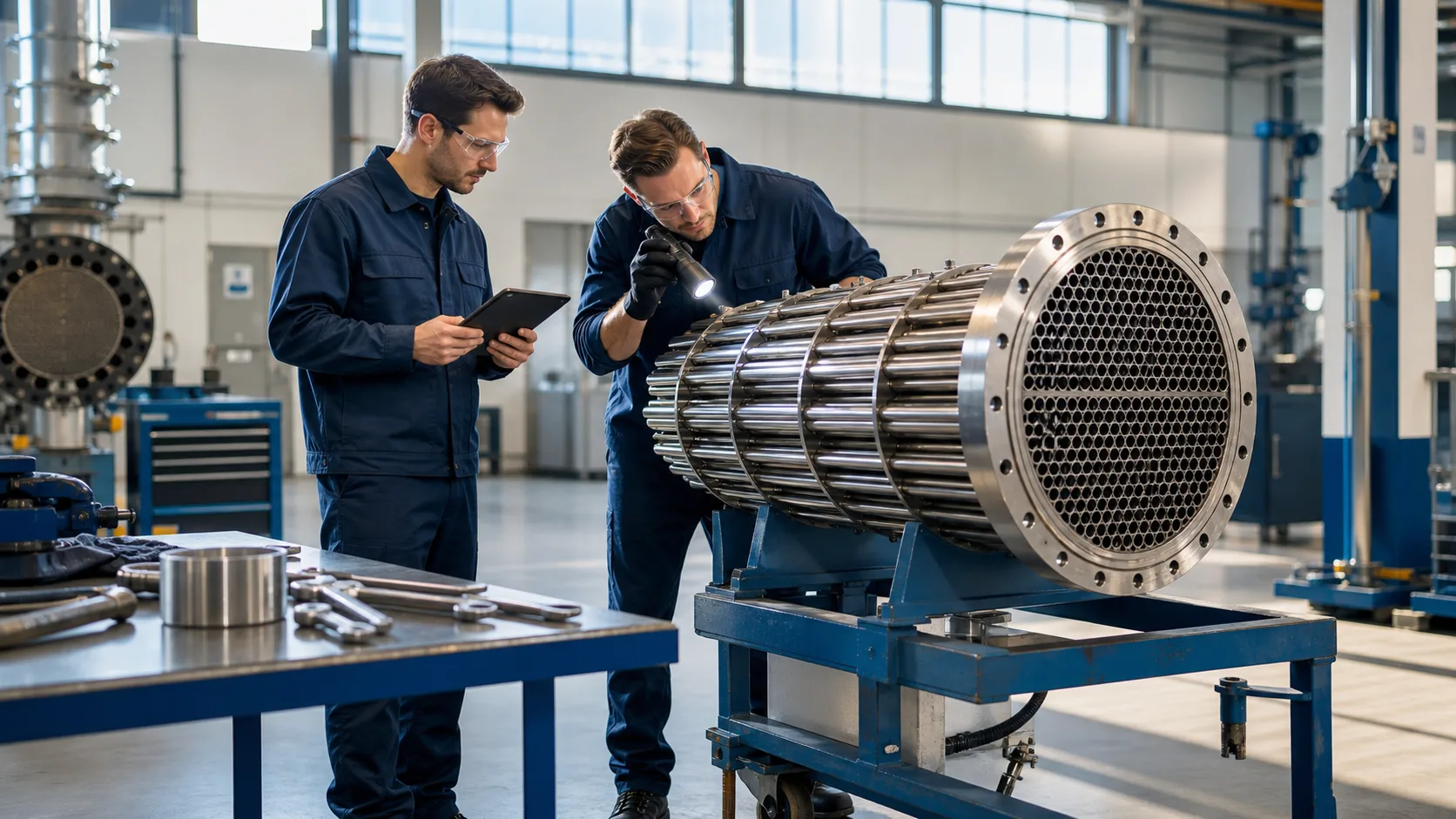
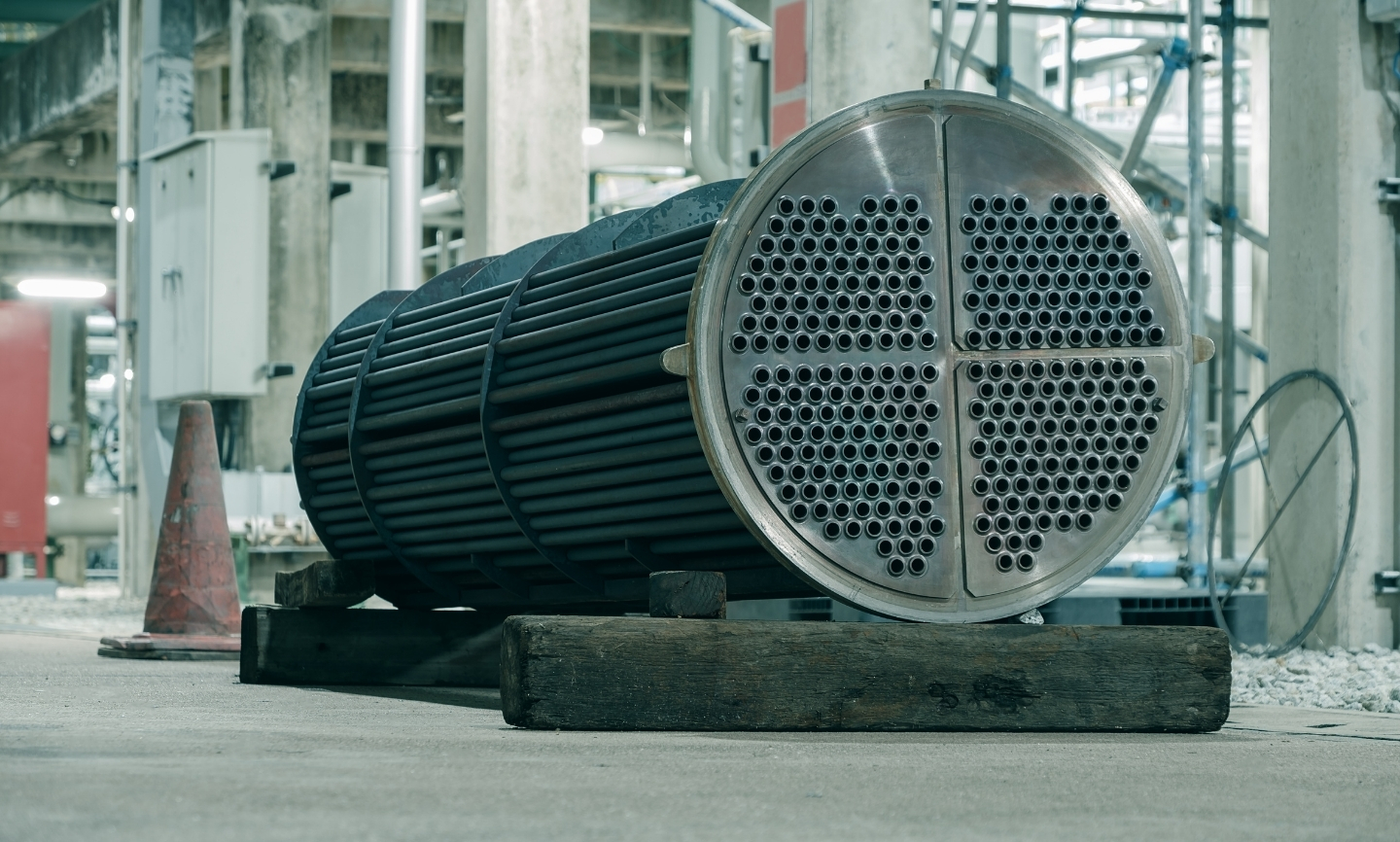
Shell and tube heat exchangers are a common sight in mechanical rooms and process plants. In simple terms, one fluid travels through bundles of tubes while another flows around those tubes inside a shell. Heat passes through the tube walls as the two fluids move past each other.
Typical shell and tube units often feature:
- Steel or alloy shells with tube sheets on each end
- Straight or U-tubes rolled or welded into tube sheets
- Baffle plates inside the shell to direct flow and support tubes
- Design options to handle higher pressures and temperatures
They are often chosen where conditions are tough:
- High pressure or high temperature services
- Steam, hot oil, or aggressive media
- Dirtier fluids that may carry solids or heavier fouling loads
Shell and tube heat exchangers handle abuse well and can be a good match for very demanding duties. But they come with tradeoffs. They usually have:
- A larger footprint and heavier weight
- More demanding space and rigging needs for tube bundle pulls
- Longer downtime when you need to pull, clean, or retube bundles
Inspection can also be harder. Accessing all surfaces may mean opening large covers, removing insulation, and working in tight spaces. For plants that need quick turnarounds and frequent cleaning, that can make planning outages more stressful.
Why Gasketed Plate Heat Exchangers Are Redefining Efficiency
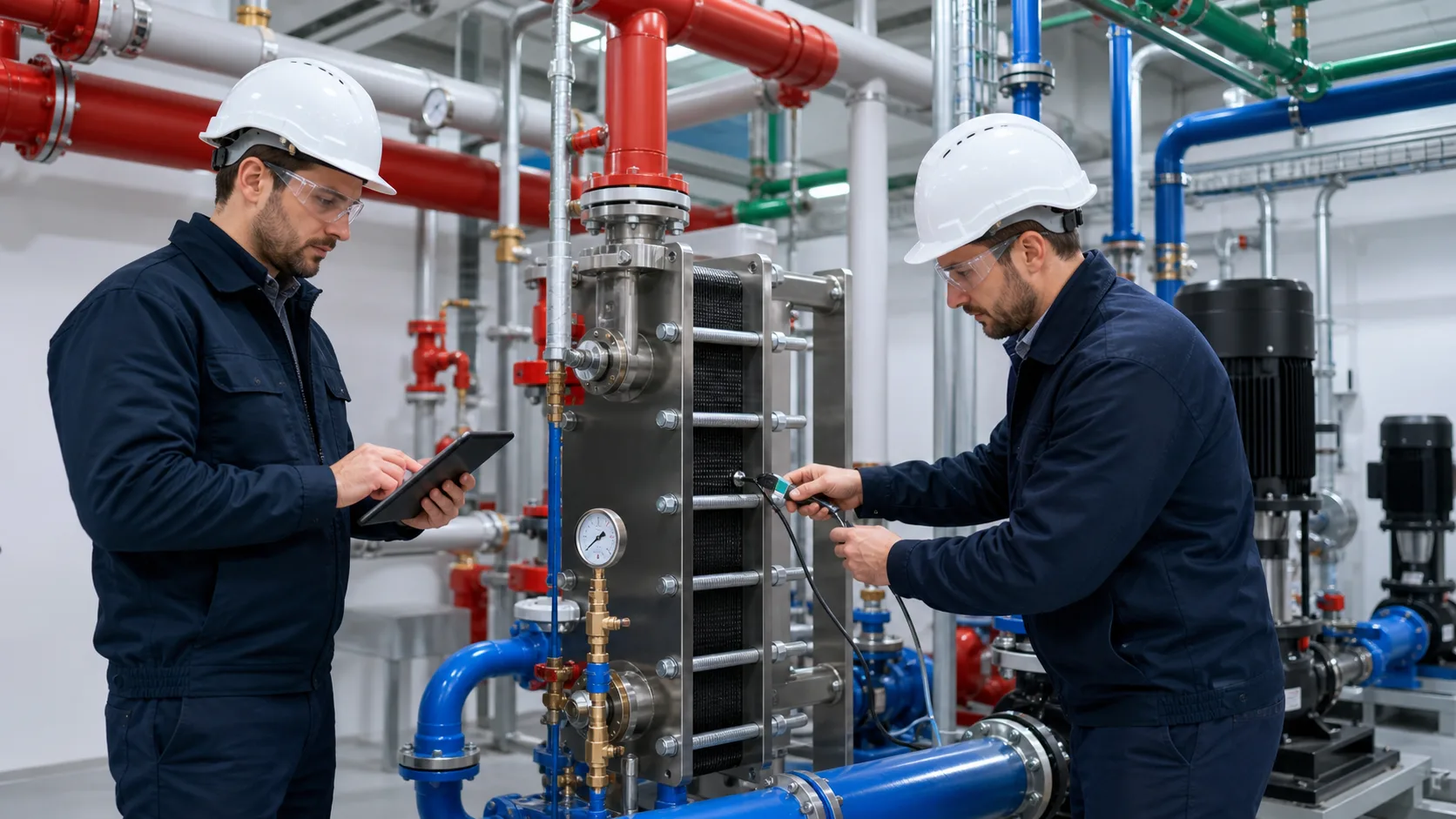
Gasketed plate and frame heat exchangers work differently. Instead of tubes in a shell, you have a stack of thin plates clamped together inside a frame. Each plate has a pattern that creates turbulent flow, and gaskets guide the hot and cold fluids through alternating channels.
This design does a few helpful things at once:
- Turbulent flow scrubs the plate surface, which can reduce fouling
- Counterflow patterns support tight approach temperatures
- Large surface area fits in a compact, often smaller footprint
In many HVAC, chilled water, heat recovery, and cleaner process applications, gasket plates can deliver higher thermal efficiency than shell and tube units. You may see better heat transfer in a smaller space, with lower approach temperatures and more flexibility in how you stage or reset temperatures.
Another advantage is flexibility. With many plate and frame units, you can:
- Add or remove plates to adjust capacity
- Change plate patterns for different duties
- Service units in place without pulling heavy bundles
There are some real questions to address with plate and frame systems, and they matter:
- Gasket compatibility with process fluids and cleaning chemicals
- Temperature and pressure limits that fit your operating envelope
- The need for OEM quality replacement plates and precision gaskets
When gaskets are not matched to the fluids or conditions, you can run into leaks or shorter gasket life. When plates do not match the original thermal design, you may lose performance. This is where proper engineering support and quality components become very important.
Comparing Lifecycle Costs, Uptime, and Serviceability
When you compare shell and tube heat exchangers to gasket plate heat exchangers, the story is not only about initial equipment price. Total cost of ownership stretches across years of operation.
Key cost factors usually include:
- Installation complexity and required footprint
- Pump energy to overcome pressure drops
- Water and chemical treatment needs
- Maintenance labor and outage time
On the service side, shell and tube work tends to involve:
- Pulling tube bundles, which may require cranes or special rigging
- Hydroblasting or mechanical tube cleaning
- Possible retubing or tube plugging for leaks
These steps can be time-consuming, and sometimes the work area must be cleared around the exchanger. For busy facilities, that can limit when you can safely schedule the job.
Plate and frame service looks different. You open the frame, spread or remove the plate pack, and clean plates individually. Typical work includes:
- Visual inspection and cleaning of plates
- Dye checks or other testing on suspect plates
- Gasket replacement and reassembly to the correct tightening range
With proper planning, this can be done during shorter summer or shoulder-season shutdowns. Many facilities use those windows to re-gasket units, inspect plates, and confirm performance, so the system is ready for peak cooling or heating season.
Matching Heat Exchanger Technology to Your Application
So which style should you choose for your next project or upgrade? It depends on what your system needs most.
Shell and tube heat exchangers may fit better when:
- Pressures are very high
- Temperatures are at the extreme hot or cold ends
- Fluids are dirty, abrasive, or carry large solids
Gasket plate and frame heat exchanger units often win when:
- You are dealing with closed-loop HVAC systems
- You are doing heat reclaim or energy recovery
- Process streams are relatively clean and treatable
Key selection criteria include:
- Approach temperature and how tight it needs to be
- Available mechanical room or plant footprint
- Fluid compatibility with plates and gaskets
- Fouling risk and expected cleaning frequency
- Space and time allowances for future expansion
- Compliance needs for your specific industry
For mechanical contractors, that may mean thinking about install space, rigging, and how easy it will be to service units in future fit-outs. Facilities engineers in areas like food and beverage, data centers, healthcare, and manufacturing often think more about uptime, cleanliness, and steady temperatures. In many of these settings, compact plate and frame units fit well into crowded mechanical spaces and help maintain stable thermal conditions.
Plan Your Next Upgrade with Expert Plate and Frame Support
A practical first step is to review existing shell and tube heat exchangers and ask which ones are causing the most headaches during peak summer loads or planned outages. Units that are hard to clean, difficult to access, or chronically underperforming may be good candidates for a well-engineered gasketed plate solution.
At C.J. Mulanix Co. Inc., we help evaluate plate and frame options, design plate packs, supply replacement plates and precision gaskets, and support field work so changeouts and maintenance stay as controlled as possible. Sharing operating data, maintenance history, and your seasonal demands allows us to help you shape a phased upgrade or maintenance plan that fits mission-critical systems and keeps your plant or building ready for whatever the next peak season brings.
Get Started With Your Project Today
If you are planning or upgrading a project that relies on efficient thermal performance, we can help you make confident, cost-effective decisions. Start by reviewing our guide to key terms for shell and tube heat exchangers so you know exactly what specifications matter most. Then share your operating conditions, challenges, and goals so C.J. Mulanix Co. Inc. can recommend the right solution for your application. When you are ready to move forward, contact us so we can discuss your project in detail and outline next steps.