Protecting Uptime with Proactive Heat Exchanger Refurbishment
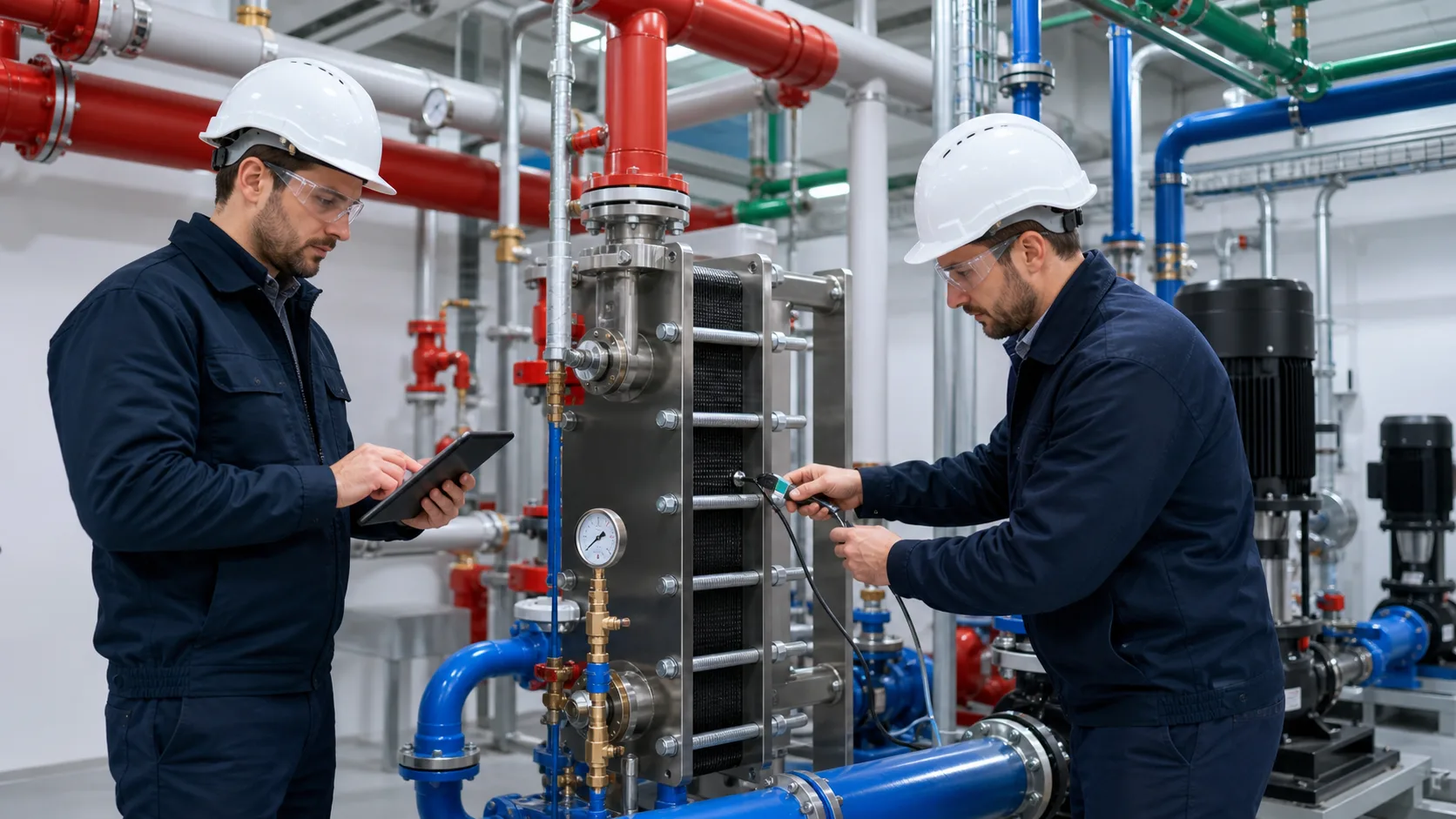
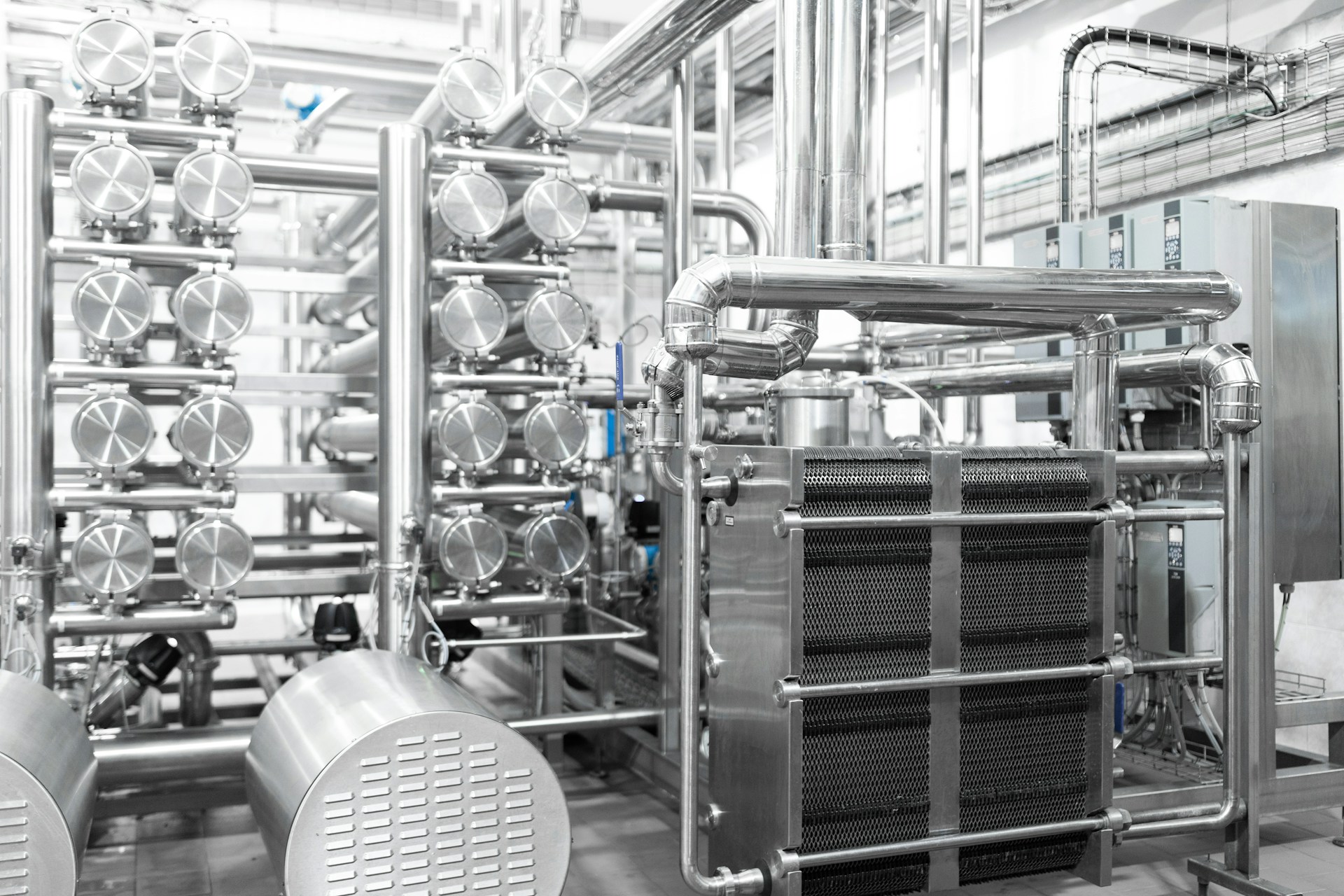
Keeping a gasketed plate and frame heat exchanger in good shape is one of the best ways to protect uptime in a busy plant. When these units start to foul or leak, everything around them feels the strain. Chilled water loops run hotter, process temperatures start to wander, and equipment down the line has to work harder to keep up.
Planned refurbishment lets you deal with wear and aging parts on your terms, not during an emergency. Instead of shutting down at the worst possible moment, you can choose a window that fits your production schedule and comfort cooling needs. That can help you avoid things like rushed service, temporary workarounds, and stress on operators and equipment.
Unplanned outages carry hidden costs. A sudden failure can bring lost production, emergency labor, extra strain on backup systems, and possible damage to other equipment. By planning refurbishment, you can extend the useful life of your plate heat exchanger gaskets and keep your plant running the way it should.
At C.J. Mulanix Co. Inc., we focus on engineering, supplying, and servicing plate-and-frame heat exchangers for mission-critical work. We support mechanical contractors and facilities that depend on these units for process loads, HVAC, and cooling water, and we see every day how proactive refurbishment helps them stay ahead of problems.
How Gasketed Plate and Frame Refurbishment Pays Off
A well-refurbished plate and frame heat exchanger gasket can feel like a new machine inside an old frame. Over time, scale, fouling, and worn gaskets all steal efficiency. Bringing the unit back to proper condition restores thermal performance and helps everything upstream and downstream run smoother.
Some key gains from proper refurbishment include:
- Better heat transfer for chilled water, process heating, and HVAC
- Lower pumping energy because of cleaner plates and correct plate gaps
- More stable temperatures at coils, process equipment, and storage tanks
- Reduced risk of leaks and cross-contamination between fluids
When plates are clean and flat and gaskets are fresh and matched to the duty, heat moves more easily from one side of the exchanger to the other. That means less energy spent trying to overcome fouling, fewer nuisance alarms, and less time chasing temperature issues.
Refurbishment also gives the asset a longer, more predictable life. By catching corrosion, gasket fatigue, and frame issues early, you can often avoid:
- Sudden plate failures
- External leaks that create slip hazards or cleanup needs
- Product contamination risks from internal leaks between circuits
From a planning view, refurbishment helps with budget control. You trade surprise costs for known scope, known parts, and a scheduled outage. Work can be planned around seasonal slowdowns, annual plant shutdowns, or times when cooling loads are lighter, instead of right in the middle of peak demand.
Warning Signs Your Exchanger Needs Attention Now
A gasketed plate-and-frame heat exchanger seldom fails without warning. The challenge is recognizing the hints before they become a full outage. Performance trends are often the first clue.
Watch for performance-related red flags like:
- Higher approach temperatures across the exchanger
- Trouble holding setpoint when outdoor temperatures climb
- Rising differential pressure and higher pump energy
- Shorter intervals between cleanings or backflushing
If you notice operators constantly adjusting valves or controls to keep the temperature where it should be, the exchanger might be asking for help.
Mechanical and safety signs are just as important. These can include:
- Visible gasket cracking, flattening, or movement out of the groove
- External leaks or dried residue on or under the frame
- Product quality concerns that point to possible internal leakage
Documentation also tells a story. If service tags are missing, inspection records are outdated, or OEM guidance on refurbishment intervals has been exceeded, it is time to look closer. A simple condition assessment now can keep a small repair from turning into a major event later.
Inside a Professional Plate-and-Frame Refurbishment
Professional refurbishment is more than just opening the frame and swapping gaskets. It is a step-by-step process designed to protect plate geometry, frame alignment, and long-term performance.
It typically starts with:
- Safe isolation, lockout, and draining of both circuits
- Marking plate order and flow direction
- Controlled loosening of tie bolts to prevent frame distortion
- Plate count verification against OEM documentation
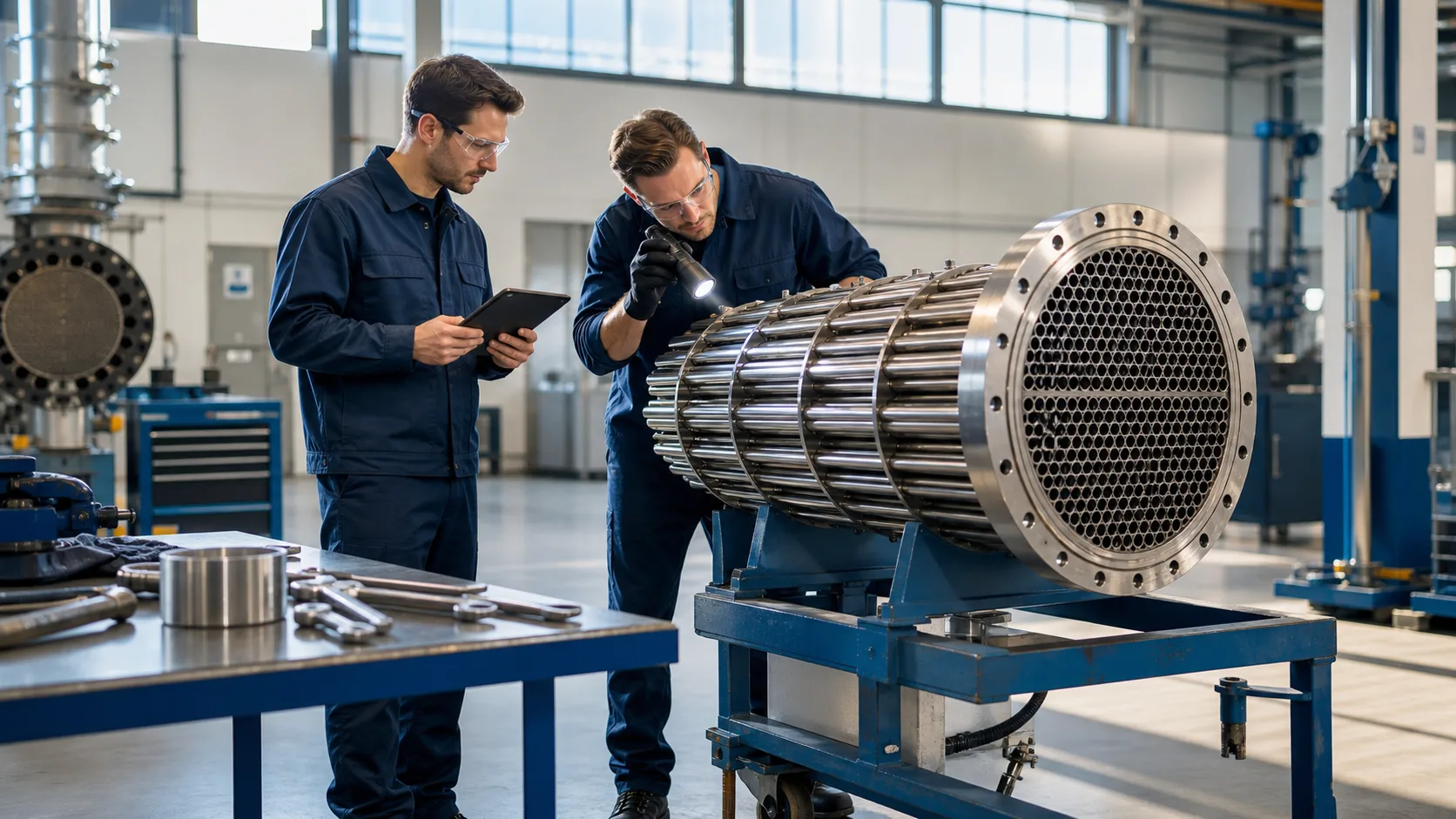
Plates are removed with care to avoid bending, then cleaned and inspected. During plate inspection, we look for warping, erosion at the ports, corrosion patterns, and any thin spots. Common tests include dye penetrant inspection and conductivity or pressure tests to catch pinholes and cracks that the naked eye might miss.
Gasket replacement is its own discipline. Good practice includes:
- Confirming gasket material compatibility with both fluids and temperatures
- Thorough cleaning of the gasket groove, with no leftover adhesive or debris
- Proper positioning of the new gasket to avoid twists or stretch
- Controlled curing when adhesives are used, with correct time and temperature
Once plates are re-gasketed, they are stacked in the right order and the frame is carefully closed to the correct compression dimension. Final checks include plate pack alignment, bolt torque, and leak checks on both sides under pressure.
Engineering Upgrades That Boost Long-Term Performance
A scheduled refurbishment is a great time to ask whether the original plate-and-frame design still fits the job. Loads change, fluids change, and plants add new equipment. The exchanger can often be re-rated to match new duty conditions.
Possible upgrades during refurbishment include:
- Changing plate patterns to suit new temperatures or flow rates
- Adding or removing plates to adjust capacity or pressure drop
- Updating plate materials to better handle corrosion or fouling
Gasket upgrades can address recurring pain points. For example, if you see repeated gasket failures at a certain temperature, a different elastomer might give better life. If a fluid is more aggressive than first planned, gasket and plate materials can be reviewed to match that reality.
Serviceability upgrades also deserve a look. That might mean improving isolation valve arrangements, adding lifting lugs or guide rails that help with future maintenance, or adding temperature and pressure taps for easier monitoring. A small change during refurbishment can pay back every time the unit is inspected or cleaned.
Planning Refurbishment Around Seasonal Demand Peaks
The best refurbishment is one that no one notices, because it happens when the plant can spare the downtime. That is why timing the work around seasonal demand is so important, especially for exchangers tied to process cooling or HVAC.
Many facilities plan major work like this during shoulder seasons when outdoor temperatures are milder and production can be adjusted more easily. Historical operating data is helpful here. If you know which months tend to have the lightest loads on chilled water or process systems, those windows are strong candidates for refurbishment.
Good planning often includes:
- Reviewing past operating logs and alarms for each exchanger
- Ranking units by how critical they are to safety, product, or comfort cooling
- Staging spare plates and gaskets so they are on hand before shutdown
At C.J. Mulanix Co. Inc., we work with mechanical contractors and facility teams to prepare in advance. That can include engineering review, plate and gasket selection, and prefabricating assemblies to cut down the time needed on site. A clear scope and pre-qualified service plan help keep seasonal peaks from turning into crisis season.
Putting a Refurbishment Plan in Place Before Next Summer
A simple first step is to audit your current gasketed plate-and-frame heat exchangers. Gather basic data like make, model, duty, fluids, and operating temperatures. Review recent performance history and maintenance notes, and flag any units showing the warning signs described earlier.
From there, you can prioritize which exchangers need inspection or refurbishment first, based on how critical they are to production and comfort cooling. With a structured plan and the right support, refurbishment turns from a stressful emergency into a normal part of keeping your plant steady and reliable.
Get Started With Your Project Today
If you are planning or upgrading a gasketed plate-and-frame heat exchanger system, we can help you choose the right solution and avoid costly missteps. At C.J. Mulanix Co. Inc., our team works directly with you to understand your process, specify appropriate equipment, and support reliable long-term performance. Reach out today to discuss your application, review design options, or troubleshoot an existing installation, and we will respond with clear next steps. To start the conversation, simply contact us.